


Diagnostics factory automation
Trust, precision, and efficiency in diagnostic manufacturing
Overview
Re-thinking diagnostics factory automation
The diagnostic manufacturing industry is navigating rapid technological advancements, evolving testing requirements, labor shortages, and stringent quality and regulatory standards while managing global supply chain pressures.
Diagnostic manufacturers face rising workforce gaps, cost constraints, and complex production processes, driving the need for smarter, flexible factory automation that increases throughput, ensures compliance, maintains quality, and supports continuous innovation across increasingly complex and high-stakes diagnostic production environments.
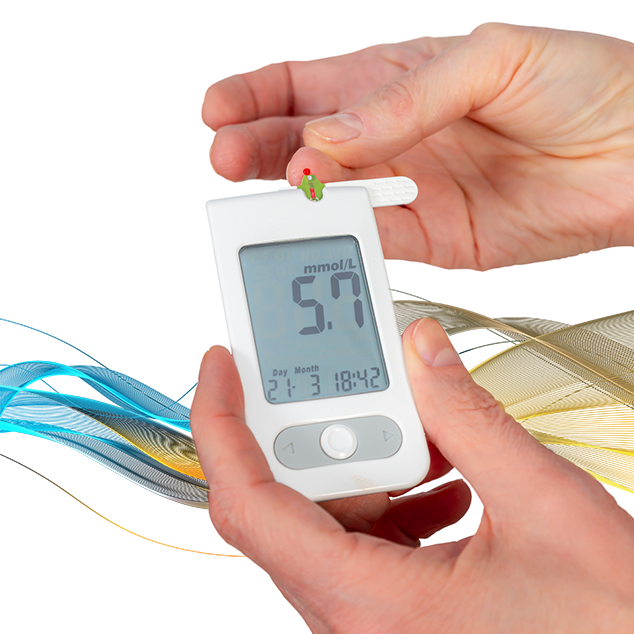
We solve
Industry challenges
- Complex and precision-dependent assembly
Diagnostic devices and test kits require highly precise assembly of sensitive components. Manual processes can slow production, introduce errors, and limit scalability. - Quality control and regulatory compliance
Diagnostics manufacturing is heavily regulated, and products must meet stringent quality standards. - Labor shortages and skills gaps
Skilled operators and technicians are increasingly scarce. - Data digitization, AI & generative AI integration
Fragmented legacy systems limit real-time insights into production, maintenance, and supply chains. - Scaling production to meet growing demand
Rising demand for diagnostic tests, especially in response to global health trends, requires flexible, scalable production. - Cost and resource optimization
Diagnostics manufacturing involves costly materials and reagents.
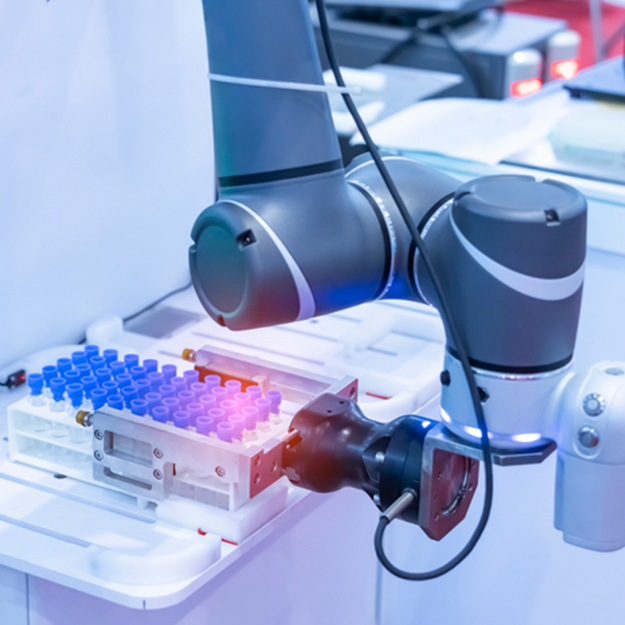
diagnostics factory automation
What Eclipse can do for you
Eclipse delivers automation solutions that support the full range of diagnostics manufacturing, from consumables to point-of-care devices. Our systems are designed to ensure repeatable quality, improve throughput, and maintain full traceability while complying with regulatory standards. We provide end-to-end solutions that span assembly, inspection, functional testing, packaging, and labelling — all optimized for cleanroom and controlled environments.
Key areas of capability include:
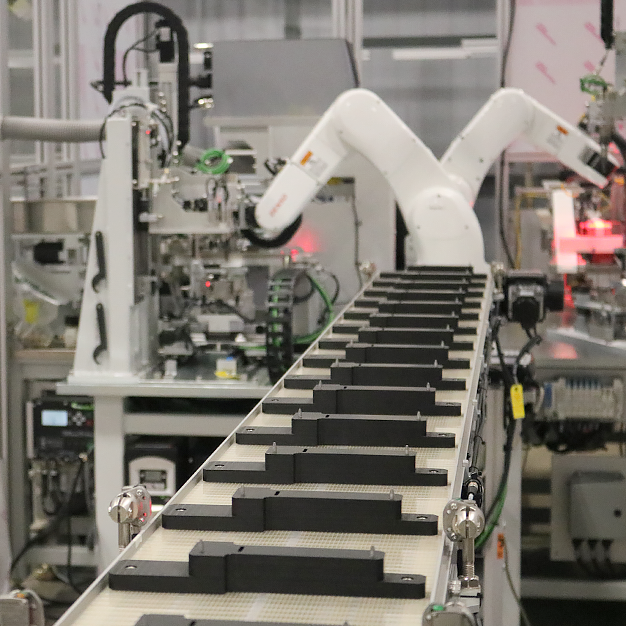
Cartridge and consumable assembly
Automation for producing diagnostic cartridges, lateral flow devices, IVDs (In Vitro Diagnostic), and consumables with precision and traceability.
Point-of-care devices
Systems for assembling rapid testing devices with integrated quality inspection and seal integrity testing.
Microfluidic and lab-on-a-chip platforms
Automation for advanced microfluidic devices that enable fast, accurate testing in compact formats.
Kitting and packaging
Automated kitting, packaging, and labelling solutions designed for cleanroom environments and regulatory compliance.
Functional and vision testing
Integrated vision, leak, and functional testing to verify accuracy and ensure quality.
Material handling and conveyance
Automated transport of components between stations to maintain sterile and controlled workflows.
Environmental controls
Systems to monitor and maintain temperature, humidity, or cleanroom conditions during production.
Traceability and reporting software
Digital solutions to capture lot-level and device-level data for regulatory submission and quality audits.
Flexible line integration
Seamless integration with third-party equipment or future product lines to future-proof operations.
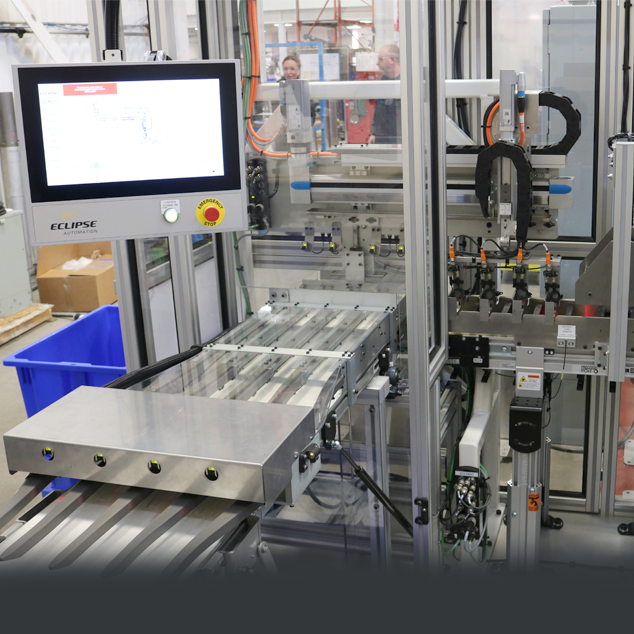
Benefits
Why diagnostics companies choose Eclipse
Diagnostics manufacturing demands precision, regulatory compliance, and operational efficiency at every step. Choosing the right diagnostics factory automation partner can make the difference between meeting production goals or facing costly delays. Eclipse delivers solutions that combine reliability, scalability, and data-driven insights, helping manufacturers bring high-quality diagnostic products to market faster and with confidence.
Designed for regulated environments
We build systems that comply with FDA cGMP, ISO 13485, and other global quality standards from the start.
Ready to ramp production
Our flexible designs scale from pilot lines to global manufacturing, adapting quickly to shifts in demand.
Proven reliability in testing
Integrated inspection and functional testing ensure devices meet performance requirements before leaving the line.
FAQs
Frequently asked questions
What is automation in diagnostic device manufacturing?
Automation in diagnostic manufacturing involves using machines, robotics, and vision systems to assemble cartridges, point-of-care devices, and consumables. It ensures high precision, repeatability, and traceability, helping manufacturers meet regulatory requirements and scale production efficiently.
What processes are typically automated in diagnostics manufacturing?
Key processes include cartridge and consumable assembly, point-of-care device assembly, functional and vision testing, kitting, packaging, and labeling. Automation reduces manual handling, ensures regulatory compliance, and supports high-volume, high-precision production.
Why is quality inspection critical in diagnostic manufacturing?
Diagnostic devices must meet strict regulatory standards to ensure accurate results. Automated vision inspection, leak testing, and functional verification detect defects early, reduce waste, and ensure every product meets performance and safety requirements.
How does Eclipse Automation help diagnostics manufacturers scale production?
Eclipse provides automation solutions that adapt from pilot lines to full-scale production. With integrated kitting, assembly, testing, and packaging systems, manufacturers can increase throughput, maintain consistent quality, and respond quickly to changes in demand.
Featured articles and insights
-
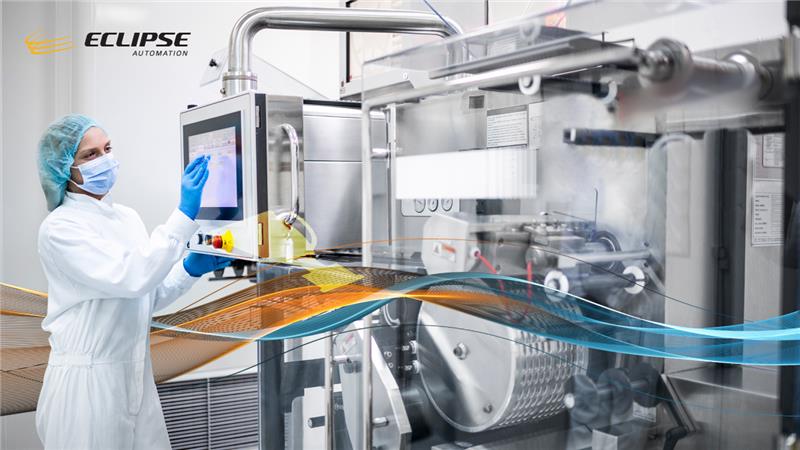
Life sciences manufacturing: Smarter, flexible automation for modern facilities
Life sciences automation enables flexible, compliant manufacturing for rapidly evolving medical technologies.
-
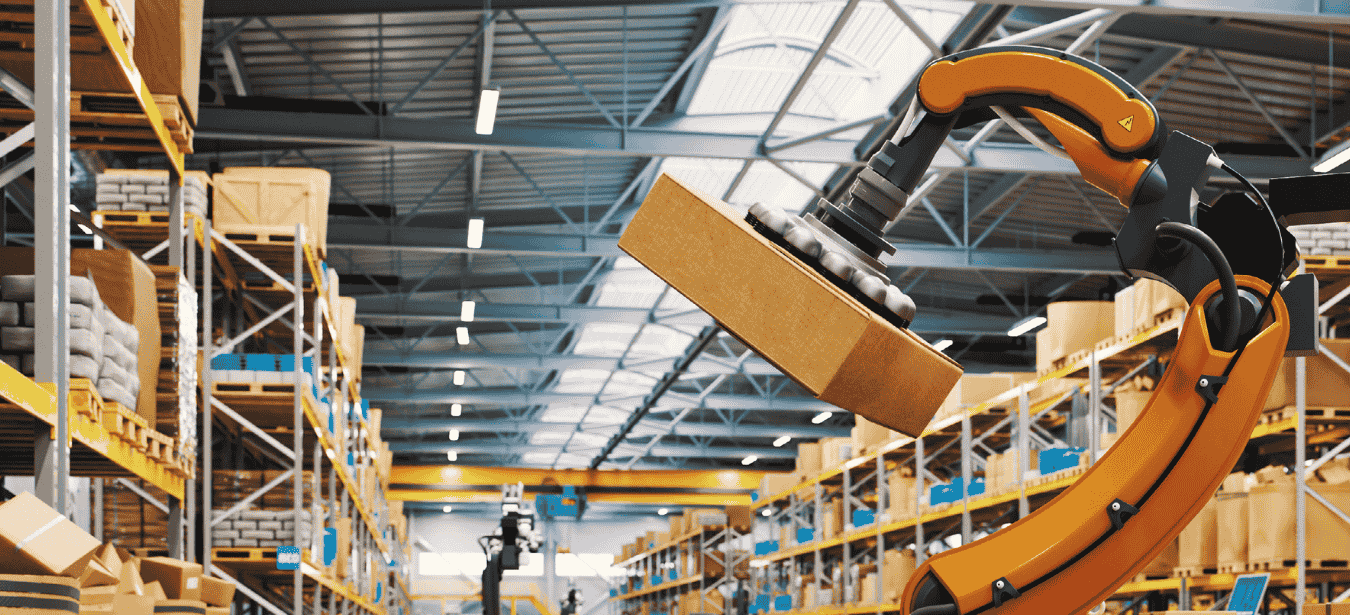
Consumer Manufacturing Overview
Modernize consumer products manufacturing across electronics, appliances, utilities, and more.
-

Industrial Automation Overview
Automation for durability, precision, and throughput across industrial manufacturing.
