

Drug delivery devices factory automation
Delivering precision automation across inhalers, injectors, pens, and medical delivery systems
Overview
Re-thinking drug delivery devices factory automation
The drug delivery device industry is navigating rapid innovation, increasing product complexity, labor shortages, and stringent regulatory and quality requirements all while managing global supply chain pressures. Manufacturers of injectors, inhalers, pens, and advanced delivery systems face rising costs, workforce gaps, and intricate assembly processes.
These challenges are accelerating the need for smarter, flexible factory automation that boosts throughput, ensures compliance, maintains consistent quality, and supports continuous innovation across increasingly sophisticated and high-stakes production environments.
We solve
Industry challenges
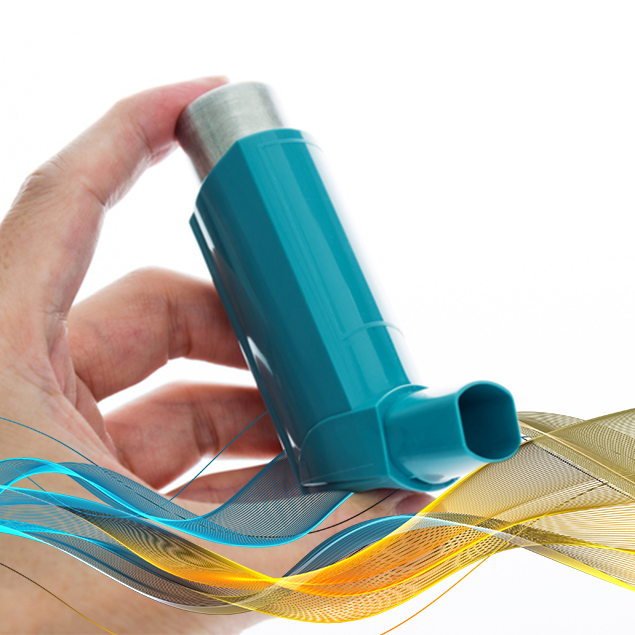
- Complex, high-precision assembly
Drug delivery devices such as injectors, inhalers, autoinjectors, and pens require extremely precise multi-component assembly. Manual processes introduce variability and risk. - Stringent quality and regulatory requirements
Devices must meet strict standards for safety, sterility, and performance. - Labor shortages and specialized skill gaps
As devices become more complex, manufacturers struggle to find skilled operators and technicians. - Data digitization, AI and generative AI adoption
Many production lines lack integrated data systems, limiting real-time visibility and predictive insights. - Scaling production to meet demand
Growing global demand for self-administration and home-care devices requires flexible, scalable manufacturing solutions. - Cost and material efficiency
Drug delivery systems require specialized materials and tight tolerances, driving up costs.

Capabilities
Scaling the production of drug delivery devices and pharmaceutical products
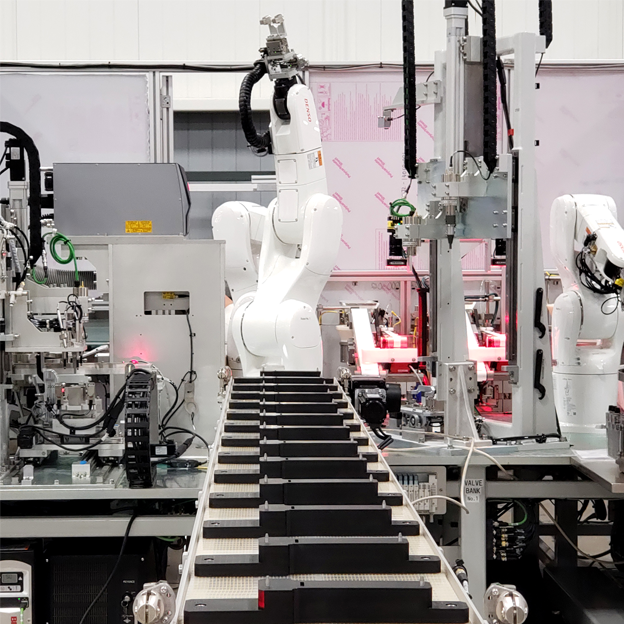
Eclipse designs automation systems that maintain product integrity while scaling the production of delivery devices and pharmaceutical products. Our solutions support precise assembly, robust inspection, and full traceability, while upholding sterile and controlled manufacturing environments. From pilot programs to high-volume production, we deliver flexible, compliant automation that adapts to ongoing pharmaceutical needs.
Autoinjector and pen injector systems
Support the assembly, filling, and inspection autoinjectors, pen injectors, and syringes as combination products with full device assembly and functional testing.
Wearable delivery devices and patch platforms
Automation for inhalers, transdermal patches, and wearable delivery devices with integrated inspection.
Inhaler manufacturing and automation
Deliver end‑to‑end automation for metered‑dose, dry‑powder, soft‑mist, and nebulizer inhalers with combination‑product assembly, dose verification, and comprehensive device inspection.
Drug packaging and labelling
Automated sterile packaging and labelling systems that meet pharmaceutical compliance requirements.
Vision and functional testing
Inline testing for seal integrity, dosage accuracy, and component verification.
Material handling and cleanroom logistics
Solutions for sterile handling, conveyance, and part feeding in controlled environments.
Integrated data and analytics
Capture production data in real-time to monitor performance, ensure compliance, and support quality reporting.
Flexible line integration
Seamlessly connect with existing equipment or third-party systems to future-proof manufacturing lines.
Benefits
Why pharma companies choose Eclipse
Pharmaceutical manufacturing demands uncompromising precision, regulatory compliance, and patient safety. Eclipse delivers automation solutions that protect product integrity, streamline production, and enable scalable, global operations. By integrating inspection, traceability, and data-driven monitoring, we help manufacturers meet strict quality standards while accelerating time-to-market.
Patient safety first
We build systems that maintain dosage accuracy, sterility, and compliance with global regulatory standards.
Adaptable for global demand
Our platforms scale from pilot programs to full-scale pharmaceutical manufacturing across geographies.
Proven integrity at every step
Automated inspection and traceability systems protect quality and patient safety throughout the process.
FAQ
Frequently asked questions
How does automation improve safety and accuracy in drug delivery device production?
Automated assembly and testing reduce human error, ensure dosage accuracy, and maintain consistent quality. Inline inspections, functional testing, and vision systems verify components, protecting patient safety and regulatory compliance.
Why is traceability important in drug delivery device production?
Traceability allows manufacturers to track each component through the production process, ensuring regulatory compliance, facilitating audits, and quickly identifying issues if defects or recalls occur. Automated systems integrate data collection for real-time monitoring and reporting.
What technologies does Eclipse Automation use for functional testing in pharma production?
Eclipse employs vision systems, inline functional testing, leak and seal integrity checks, and dosage verification tools. These technologies validate product performance, detect defects early, and ensure that each device meets strict safety and quality standards.
What processes in pharmaceutical manufacturing are commonly automated?
Key processes include injector and syringe assembly, inhaler and patch production, drug packaging and labeling, functional and vision testing, and sterile material handling. Automation ensures repeatability, sterility, and efficiency at scale.
How does Eclipse Automation support scalable drug delivery device manufacturing?
Eclipse delivers automation platforms that scale from pilot lines to full production, integrating assembly, inspection, packaging, and cleanroom logistics. This ensures high-volume output, consistent quality, and regulatory compliance across multiple sites.
Featured articles and insights
-
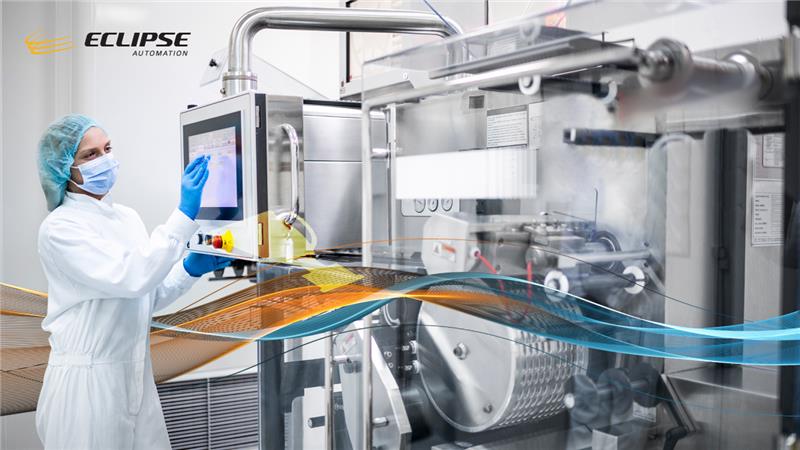
Life sciences manufacturing: Smarter, flexible automation for modern facilities
Life sciences automation enables flexible, compliant manufacturing for rapidly evolving medical technologies.
-
Consumer Manufacturing Overview
Modernize consumer products manufacturing across electronics, appliances, utilities, and more.
-

Industrial Automation Overview
Automation for durability, precision, and throughput across industrial manufacturing.
