


Medical device factory automation
From manual to automated scalable medical device production
Overview
Re-thinking medical device factory automation
Medical device manufacturers are facing rapid technological advancements, increasing product complexity, labor shortages, and stringent regulatory and quality requirements — all while pressure to improve throughput and reduce time-to-market intensifies. Producers of surgical instruments, diagnostic devices, implantable, and therapeutic systems are challenged by manual bottlenecks, workforce gaps, and intricate assembly processes.
These demands are accelerating the need for smarter, scalable factory automation that streamlines production, increases throughput, ensures compliance, enhances precision, and supports continuous innovation across high-stakes medical device manufacturing environments.
We solve
Industry challenges
- Complex, high-precision assembly
Medical devices often involve intricate, multi-step assembly of tiny or sensitive components. Manual assembly introduces variability, potential accuracy and repeatability issues. - Stringent regulatory and quality compliance
FDA, ISO 13485, and global regulatory standards demand strict process control, validation, and traceability. - Labor shortages and specialized skill gaps
Skilled operators and cleanroom personnel are increasingly limited. - Data digitization, AI and generative AI integration
Many factories still operate with fragmented or legacy systems, limiting visibility and operational insight. - Scaling production and product variability
Demand for medical devices continues to grow, often with expanding product mixes and shorter development cycles. - Material handling and cleanroom requirements
Sensitive materials, sterility needs, and contamination risks require precise, controlled environments. - Cost and resource optimization
Rising material and regulatory compliance costs put pressure on margins.
capabilities
Medical device factory automation systems
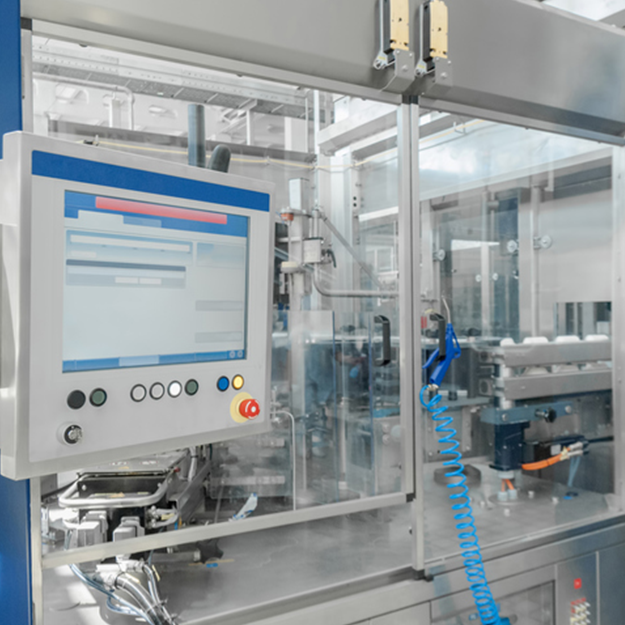
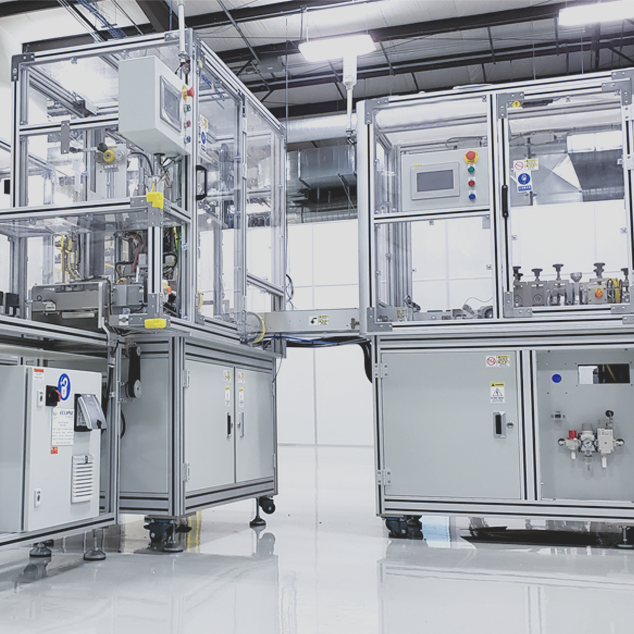
Eclipse develops medical device production automation systems to meet the precision and compliance needs of medical device and surgical instrument production. Our capabilities include high-accuracy assembly, integrated inspection, sterile handling, and real-time process monitoring. We excel at creating systems that are flexible, scalable, and fully compliant, enabling manufacturers to increase throughput, minimize defects, and maintain traceability throughout the product lifecycle.
By combining engineering expertise with advanced robotics and data analytics, our solutions solve complex production challenges and support companies in bringing safe, reliable devices to market faster.
Surgical instrument assembly
Automation for precision assembly of surgical tools with integrated inspection and traceability.
Catheters and tubing sets
Systems for assembling catheters, line sets, and IV components with leak testing and sterile handling.
Implantable devices
Automation for high-precision implant assembly with process monitoring and quality validation.
Wearable medical devices
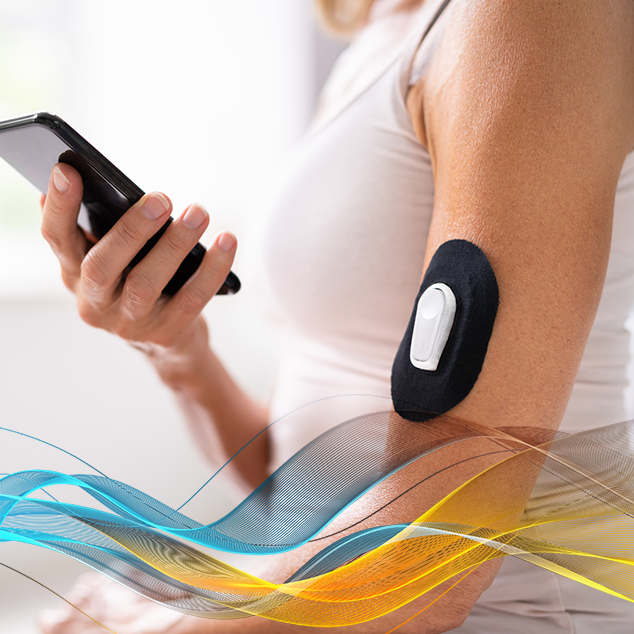
Automated lines for biosensors, continuous glucose monitors, and other patient-monitoring devices.
Surgical robotics support
Precision assembly and vision inspection for robotic surgical instruments and subsystems.
View the medical device factory automation video
Benefits
Why medical device companies choose Eclipse
Medical device manufacturing requires absolute precision, reliability, and regulatory compliance. Companies choose Eclipse because we deliver automation solutions that reduce variability, improve operational efficiency, and maintain rigorous quality standards. Our systems are designed to integrate seamlessly into regulated production environments, helping manufacturers scale safely and consistently while protecting patient safety and supporting innovation.
Compliant by design
We integrate ISO 13485, FDA cGMP, and other regulatory standards directly into our systems.
Precision at every step
From micro-assemblies to full instruments, our systems deliver repeatability and quality at scale.
Proven reliability in the OR supply chain
Validated automation helps reduce variability and ensures products meet critical performance needs.
FAQs
Frequently asked questions
How can automation improve quality and efficiency in medical device manufacturing?
Automated systems reduce human error, maintain precise assembly tolerances, and provide consistent inspection and testing. This increases throughput, minimizes defects, and ensures that products meet strict performance and safety requirements in highly regulated environments.
How does Eclipse Automation ensure precision in medical device and surgical instrument assembly?
Eclipse builds automated systems for micro-assemblies, implants, catheters, and surgical instruments with integrated vision inspection, process monitoring, and traceability. These systems deliver repeatable, high-precision results while maintaining compliance with regulatory standards.
What technologies does Eclipse Automation support in medical device manufacturing?
Eclipse uses precision robotics, vision-guided inspection, and modular automation platforms to assemble surgical robotic instruments and subsystems. These technologies enable accurate micro-assembly, ensure alignment and calibration, and support consistent high-quality output.
How does Eclipse Automation integrate regulatory compliance into its automation systems?
Eclipse designs systems that incorporate ISO 13485, FDA cGMP, and other regulatory standards from the start. Automated traceability, inspection, and process monitoring ensure consistent quality, simplify audits, and maintain compliance throughout the production lifecycle.
Featured articles and insights
-
Life sciences manufacturing: Smarter, flexible automation for modern facilities
Life sciences automation enables flexible, compliant manufacturing for rapidly evolving medical technologies.
-
We’re headed to MD&M West this February!
We’re ready to help bring your LS automation project to life. Let’s talk at MD&M West…
-
Celebrating 25 years of Eclipse Automation and where factory automation is going
In 2026, Eclipse Automation marks 25 years of precision, performance, and partnership.
