

Heavy machinery factory automation
Precision automation for heavy machinery: Smarter, safer, more productive operations
Overview
Re-thinking heavy machinery factory automation
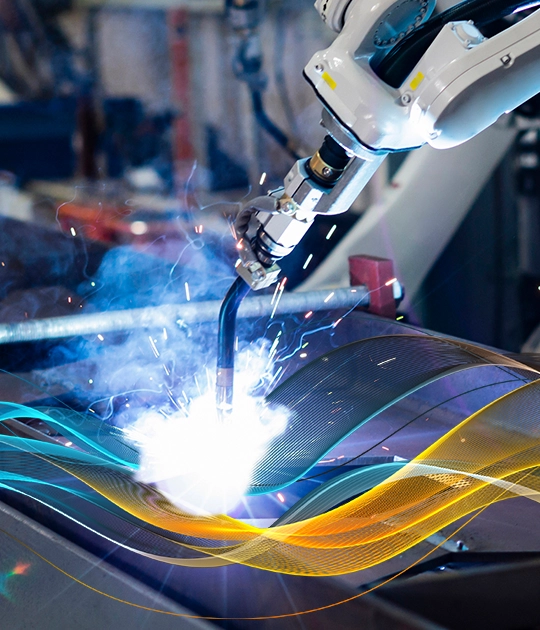
The heavy machinery industry is navigating increasing demand, aging equipment, labor shortages, and stringent safety and regulatory requirements while managing global supply chain challenges. Manufacturers face rising operational costs, workforce gaps, and efficiency pressures, driving the need for smarter, flexible automation solutions that enhance productivity, ensure safety compliance, and enable continuous innovation across complex, high-stakes operations.
We solve
Industry challenges
- Operational Inefficiency & Downtime
Aging equipment, complex workflows, and manual processes lead to reduced productivity and increased maintenance costs. - Labor Shortages & Skills Gaps
Difficulty finding trained operators and technicians slows production. - Safety & Compliance Risks
Heavy machinery operations involve high-risk environments. Ensuring regulatory compliance and protecting workers is critical. - Cost Pressures & Resource Optimization
Rising material and operational costs demand smarter resource management. - Data Digitization, AI & Generative AI Integration
Legacy systems generate siloed data, limiting actionable insights. Implementing digitalization, AI, and generative AI enables predictive maintenance, intelligent decision-making, and operational forecasting, transforming raw data into real-time, actionable intelligence. - Scalability & Adaptability of Operations
Market demands change rapidly, requiring flexible equipment setups and processes.
Our Expertise
Our solutions in heavy machinery factory automation
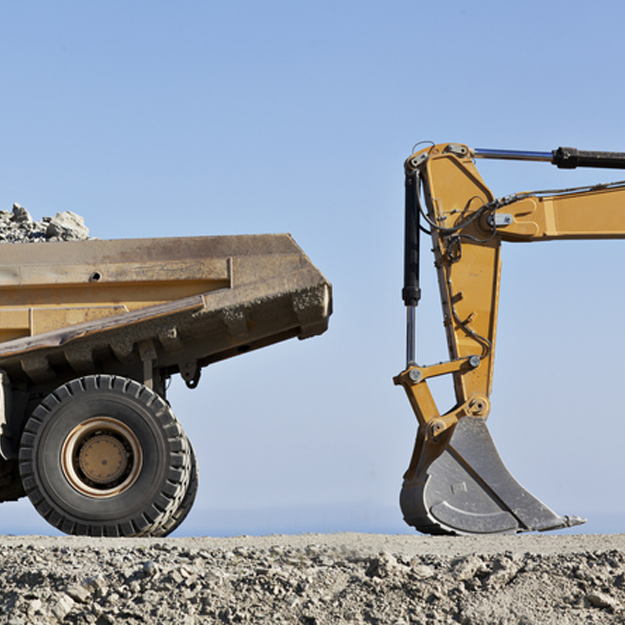
Our solutions for heavy machinery automation and manufacturing address structural assembly, powertrain integration, and precision joining for large-scale components. We bring experience from adjacent industries to solve challenges in durability, scalability, and digital integration, helping our customers compete in a global market with robust processes, enhanced quality control, and adaptable technologies that support faster development cycles and long-term operational efficiency.
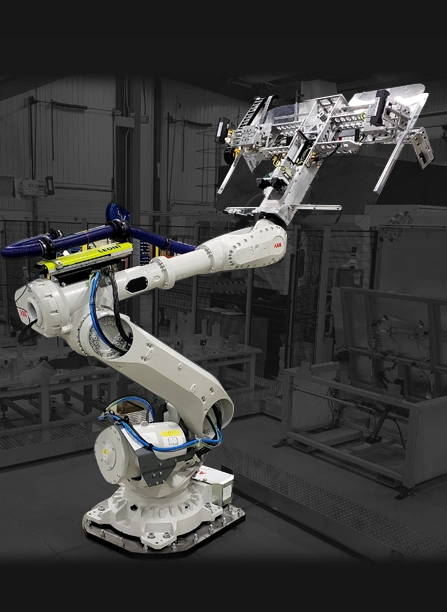
Structural assembly systems
Automate the joining of large frames, panels, and body structures, built for strength and precision while maintaining alignment control across oversized components.
High-force fastening and torque control
Apply automated torque management and high-force fastening to critical joints with verified accuracy and consistent documentation of every fastening cycle.
Material handling and ergonomics
Integrate lift assist, robotics, and autonomous guided vehicles for safe and efficient movement of heavy parts through the line to reduce strain and improve workflow.
Powertrain and hydraulic assembly
Design custom assembly systems for large-scale drive, suspension, or hydraulic units used in industrial equipment with configurable stations for varied product families.
Data systems and traceability
Enable complete traceability of parts and operations through smart data integration and real-time performance monitoring to support continuous improvement initiatives.
FAQs
Frequently asked questions
Why is heavy machinery automation important for production?
Heavy machinery manufacturing involves oversized components, high forces, and precise tolerances. Automation improves safety, reduces human error, increases production efficiency, and ensures consistent quality. Robotic systems, lift assists, and digital monitoring make it possible to scale production while maintaining structural integrity.
What processes can Eclipse optimize in heavy equipment manufacturing?
Eclipse provides structural assembly systems, high force fastening and torque management, powertrain and hydraulic assembly, and ergonomic material handling. These systems ensure precise joining of large components, maintain load-bearing integrity, and reduce manual strain while improving throughput and consistency.
What challenges do manufacturers face when producing heavy industrial equipment?
Challenges include handling oversized parts, maintaining weld and fastening quality, scaling low- to mid-volume production, integrating multiple configurations on the same line, and ensuring traceability. Advanced systems, robotics, and digital integration help overcome these challenges while boosting efficiency and product reliability.
How does Eclipse support heavy machinery production?
Eclipse develops scalable systems for heavy machinery manufacturing that handle large components, complex assemblies, and high-mix production. Our solutions integrate robotic welding, high force pressing, material handling, and digital performance monitoring to improve efficiency, maintain precision, and ensure safety across every stage of production.
Featured articles and insights
-
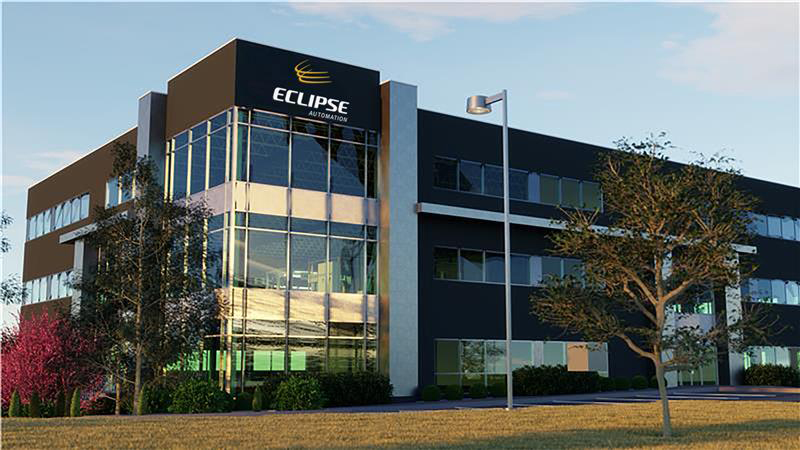
Eclipse Automation Marks 25 Years with Strategic Expansion, New Partnerships, and Bold Vision for the Future of Factory Automation
Cambridge, Ontario — March 12, 2026, Eclipse Automation, a global leader in factory automation, today announced…
-
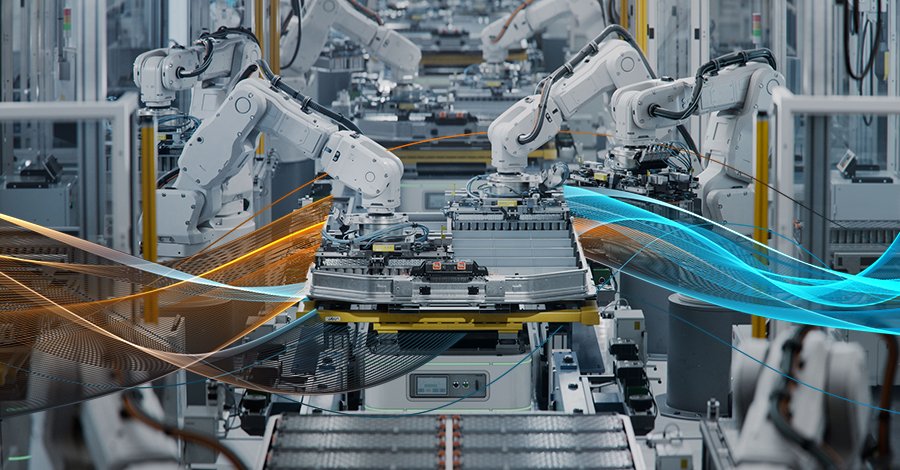
What happens to a $50M assembly line in 5 years? Hidden costs of ignoring lifecycle services
Lifecycle services protect asset value, reduce downtime, and extend equipment lifespan.
-
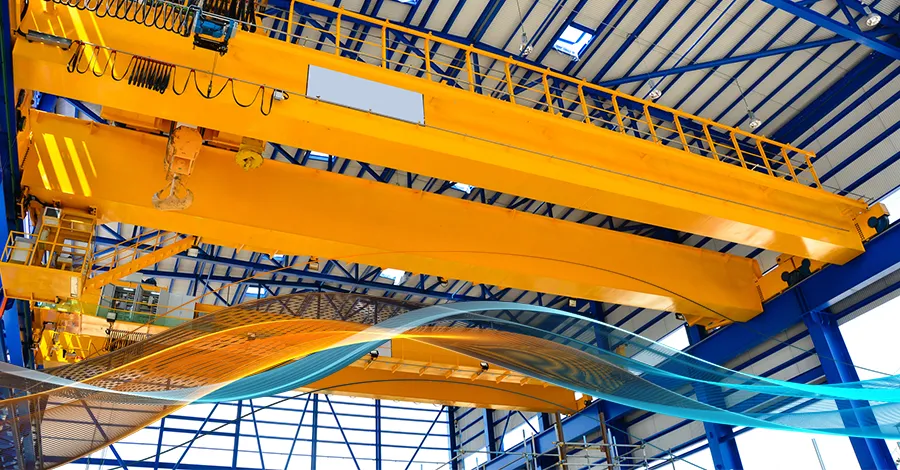
How factory automation is powering the US reshoring movement
The US manufacturing sector is entering a new phase of industrial resurgence.
