


Autonomous manufacturing, reimagined
Smart, self-optimizing factory automation built for speed, quality, and compliance.
Overview
Reinventing factory automation
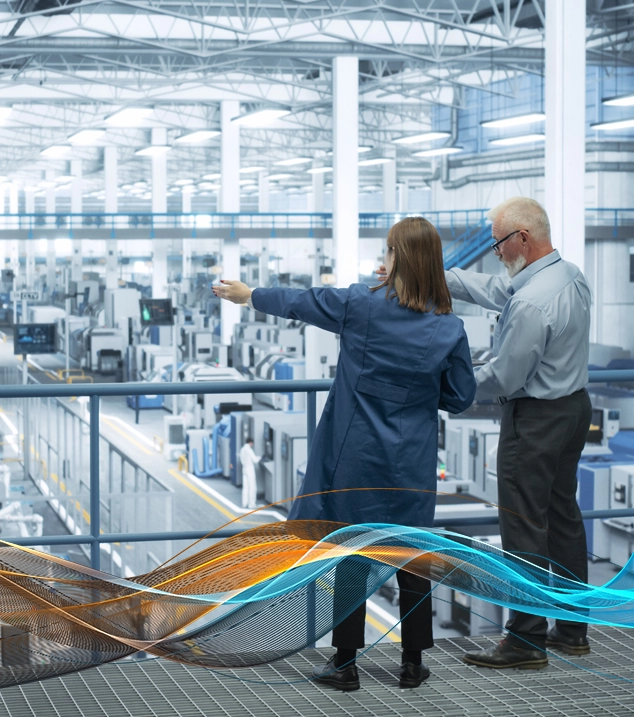
Autonomous manufacturing combines intelligent systems, robotics, real-time data, and adaptive processes to create efficient, self-optimizing production environments. By uniting smart automation with advanced analytics and connected equipment, manufacturers can increase throughput, reduce errors, and maintain consistent quality across complex operations. With decades of experience and a global footprint, we work with our customers to design and deliver autonomous manufacturing solutions that help businesses meet performance targets in both established and rapidly evolving markets.
With decades of experience and a global footprint, we deliver autonomous manufacturing solutions that help businesses meet performance targets in both established and rapidly evolving markets.
Factory automation designed to achieve your goals
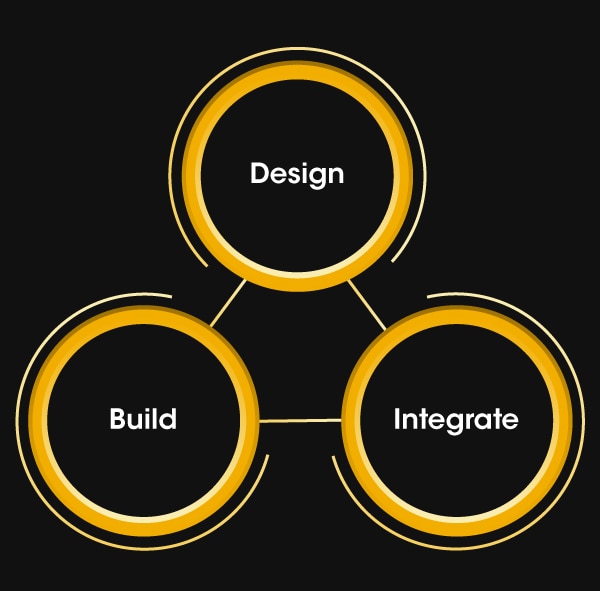
Designing, building, and integrating factory automated systems is what we do best. For over 25 years, Eclipse has delivered automation solutions across industries from single-cell systems to fully integrated production lines. For complex or high-value manufacturing, custom automation often outperforms off-the-shelf solutions. Purpose-built systems increase output, improve precision, reduce risk, and scale with your business. By aligning automation with each client’s products, processes, and goals, we deliver solutions that solve today’s challenges and support long-term growth.
See where factory automation is going. Watch the video
Our expertise
Our factory automation expertise
- Risk management: We identify and mitigate technical and schedule risks early using a live risk register from proposal through delivery keeping projects on time and on scope.
- Smart use of technology: We apply proven and emerging technologies where they deliver real gains in performance, cost, and reliability and ensure our teams know how to use them effectively.
- Strong project execution: Our delivery model combines disciplined planning with industry experience, resulting in predictable timelines, fewer surprises, and better outcomes.
- End-to-end support: From upfront consulting through long-term service, we manage the full system lifecycle in-house improving quality, speed, and cost control.
- Vertically Integrated: Design, machining, fabrication, panel build, assembly, and integration happen under one roof, ensuring accountability and consistent system quality.
- Global teams, consistent results: Our global facilities operate with shared tools and standards, enabling local delivery with consistent, high-quality outcomes worldwide.
- Data from shop floor to top floor: We connect factory automation systems to digital platforms for traceability, analytics, and smarter decision-making.

Smart use of technology
We apply proven and emerging technologies to deliver real gains in performance, cost, and reliability and ensure our teams know how to use them effectively.
FAQs
Frequently asked questions
What is autonomous manufacturing?
Autonomous manufacturing uses intelligent automation, robotics, real-time data, and advanced analytics to enable production systems that can monitor performance, adapt to changes, and optimize themselves with minimal human intervention.
What business outcomes does autonomous manufacturing deliver for executives?
It improves throughput, reduces operating costs, minimizes downtime, increases quality consistency, and lowers risk while enabling faster scaling and more predictable performance across facilities.
How is autonomous manufacturing different from traditional automation?
Traditional automation follows fixed rules. Autonomous manufacturing systems learn from data, respond to variability, and adjust operations in real time suited for complex, high-mix, or regulated environments.
How do engineers benefit from autonomous manufacturing systems?
Engineers gain real-time visibility into system behavior, tools for virtual testing and optimization, and faster root-cause analysis reducing commissioning time and improving long-term system performance.
Is autonomous manufacturing scalable and compliant?
Yes. Systems can be deployed incrementally starting with key assets or lines and scaled across plants. Platforms are designed to support validation, traceability, and compliance requirements in regulated industries.
What does autonomous manufacturing change for operations teams?
Operations teams gain better insight into bottlenecks, asset health, and production performance. Systems proactively flag issues, support predictive maintenance, and help teams make faster, data-driven decisions on the floor.
Featured articles and insights
-

The Predictability Playbook: How automation strengthens consumer supply chains
Predictability is emerging as a core benefit of manufacturing automation.
-

Zoox Case Study
Zoox advances autonomous mobility as emerging technologies drive future market growth.
-

How Mirsee and Eclipse are building practical humanoid robots for industry
Humanoid robotics is redefining automation in dynamic industrial environments.
