

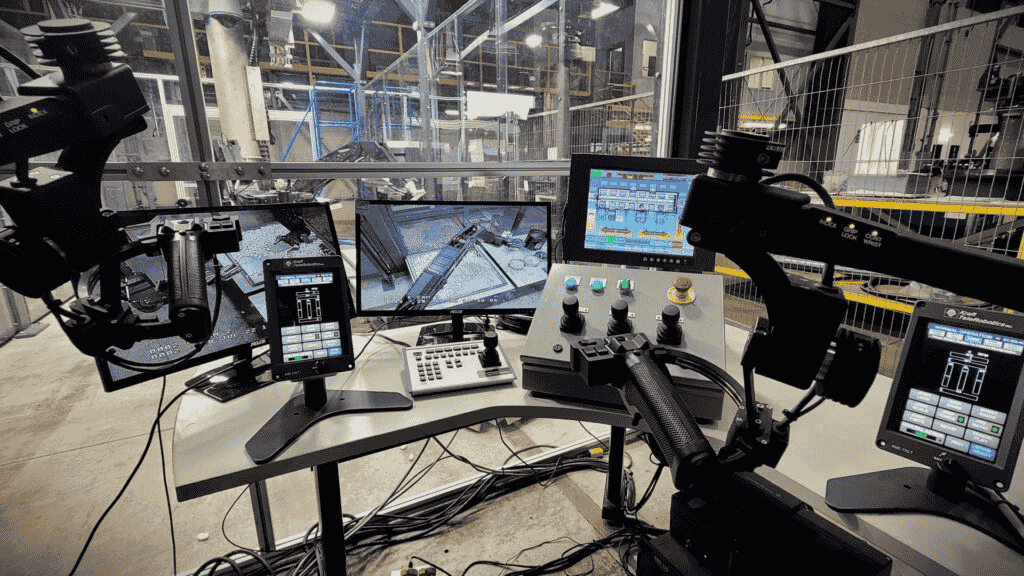


Energy teams are under pressure to produce reliable power, manage aging infrastructure, integrate renewable sources, reduce operating costs, and meet stricter environmental expectations. Automation can help by giving operators better visibility, faster response times, and more consistent control across complex systems.
The strongest energy automation benefits are not about replacing people. They are about helping teams make better decisions with real-time data, reduce preventable downtime, and keep production moving safely.
The benefits of automation in the energy industry supports efficiency, reliability, compliance, cybersecurity, scalability, and long-term resilience.
Key takeaways
- Improve operational efficiency by using automated systems to monitor, adjust, and optimize production processes in real time.
- Reduce unplanned downtime with predictive maintenance tools that flag equipment issues before they become major failures.
- Strengthen safety and compliance by collecting accurate data, tracking emissions, and supporting more consistent process control.
- Scale energy operations more easily by connecting equipment, data, and workflows through integrated automation systems.
- Support renewable energy growth with smarter forecasting, asset monitoring, and grid automation.
How does energy automation improve efficiency and output?
One of the clearest energy automation benefits is the ability to improve efficiency without asking teams to do more manual work. Automated systems can monitor equipment performance, adjust process settings, and flag inefficiencies faster than a manual review.
When paired with machine learning or advanced analytics, automation can also identify patterns that help reduce production delays, energy waste, and avoidable rework.
How can automation reduce preventable errors in energy operations?
Errors in the energy sector can be costly because a small issue can affect production, safety, or service reliability. Automation helps reduce preventable errors by standardizing repetitive tasks, monitoring operating conditions, and alerting teams when something moves outside an acceptable range.
People still play a critical role, but automation gives them better information and more consistent support.
How does automation give energy teams better control of their systems?
Energy operations depend on fast, accurate decisions. Automated energy systems can bring equipment, sensors, and production data into one connected view, helping operators understand what is happening across the system. That visibility makes it easier to respond to issues, compare performance across assets, and make decisions based on current conditions rather than delayed reports.
How does energy automation help teams adapt to change?
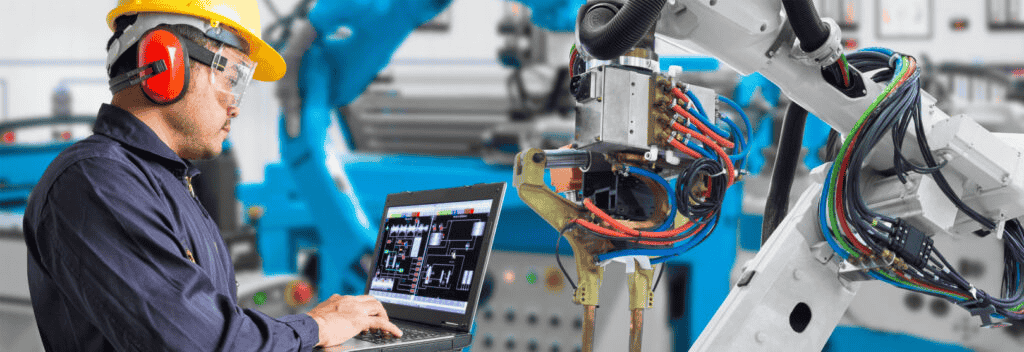
Energy demand, production needs, and regulatory requirements can change quickly. Automation gives teams more flexibility because processes can often be adjusted through software, control settings, or workflow changes rather than major manual intervention. This is especially useful for organizations managing variable demand, renewable energy inputs, or multiple production sites.
How does predictive maintenance reduce downtime in energy operations?
Equipment failures are one of the biggest operational risks in energy production and distribution. Predictive maintenance in energy uses sensor data, performance trends, and automated alerts to help teams spot early warning signs before equipment fails.
Instead of waiting for a breakdown, teams can plan maintenance when it is less disruptive. This can improve uptime, reduce emergency repairs, extend asset life, and help operators keep power moving more consistently.
How can automation support energy compliance and reporting?
The energy sector faces strict environmental, safety, and reporting requirements. Automation can help teams collect more accurate data, monitor emissions, document process conditions, and respond quickly when performance moves outside approved limits. Better data does not replace compliance expertise, but it can make audits, reporting, and corrective action easier to manage.
How does automation strengthen cybersecurity in connected energy systems?
As energy systems become more connected, cybersecurity becomes more important. Modern automation strategies should include secure communication, access controls, monitoring, and clear response plans. Automation can also help teams detect unusual activity faster by surfacing anomalies across connected equipment and systems.

How does energy automation make scaling easier?
Energy automation benefits often compound as operations grow. When equipment, data, and workflows are connected, teams can add capacity, integrate new assets, or expand into renewable energy automation with less operational friction. A connected automation foundation can make growth more manageable because processes are easier to repeat, monitor, and improve.
How can energy automation improve margins over time?
Automation can require upfront investment, so the business case should be tied to practical outcomes: less downtime, lower waste, better asset performance, fewer emergency repairs, and more consistent production. Over time, these improvements can support healthier margins while also making operations more reliable and easier to manage.
The energy automation benefits are bigger than efficiency alone. Automation can help energy organizations build safer, more sustainable, and more resilient operations by improving visibility, reducing avoidable disruption, and giving teams the data they need to act with confidence. As demand grows and energy systems become more complex, automation can be a practical path toward smarter operations and long-term reliability.
Article updated July 2026
FAQs
Frequently Asked Questions
What are the main benefits of energy automation?
The main energy automation benefits include improved efficiency, fewer preventable errors, better system visibility, stronger compliance support, predictive maintenance, easier scalability, and more reliable operations.
How does automation improve efficiency in the energy industry?
Automation improves efficiency by monitoring equipment in real time, adjusting processes faster, reducing manual tasks, and helping teams identify waste, delays, or performance issues before they grow.
What is predictive maintenance in energy automation?
Predictive maintenance uses sensor data, equipment trends, and automated alerts to identify potential failures early. This helps energy teams schedule repairs before breakdowns cause downtime.
Can automation support renewable energy operations?
Yes. Renewable energy automation can support forecasting, asset monitoring, grid balancing, and performance optimization for solar, wind, and other variable energy sources.
How does automation help energy companies scale?
Automation helps energy companies scale by connecting equipment, data, and workflows so new assets or production capacity can be added with more consistent monitoring, control, and reporting.
Explore the possibilities
Book a discovery call if downtime, disconnected systems, or limited visibility are making it harder to keep up with demand, automation can help you build a more reliable path forward.
Related articles and insights
-
How factory automation is powering the US reshoring movement
The US manufacturing sector is entering a new phase of industrial resurgence.
-

From smart meters to the smart factory: How automation drives industrial agility
Energy consumption dropped 38% after rapid smart metering and HVAC adjustments.
