



Streamlining projects, fostering collaboration, and optimizing data for scalable growth in emerging markets
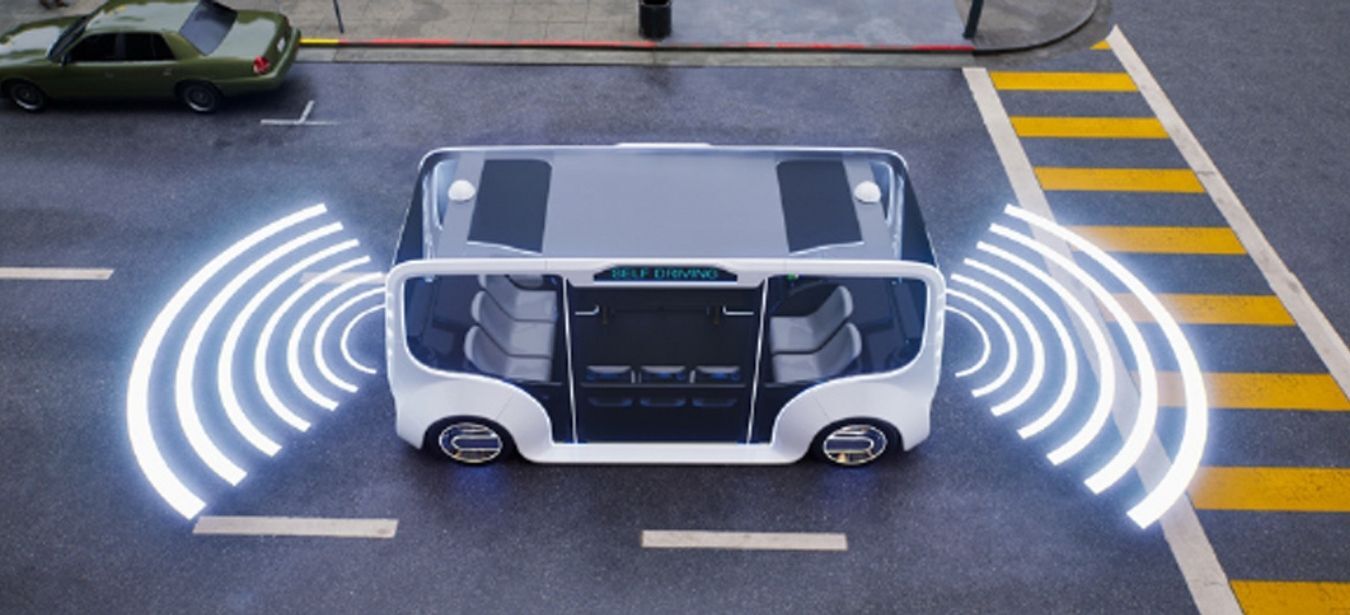
Zoox is developing purpose-built autonomous vehicles for the future of ride-hailing and urban mobility. Although the market is still in its early stages and currently represents only a small fraction of global vehicle sales, rapid advancements in artificial intelligence (AI), sensors, connectivity, and other technologies are expected to drive significant growth in the coming decades. By 2026, just 1–2% of global vehicle sales may feature vehicles capable of automating most driving tasks, but this share is projected to grow substantially by 2030.
As larger number of Autonomous Vehicles (AVs) are deployed on the roads in the coming decades their use will change the ride sharing industry by significantly reducing operating costs; current estimates indicate the figure could be a cut of approximately two thirds. This cost efficiency makes the AV model very attractive for businesses operating in the transportation sector.
Over the next 3-5 years, new entrants are expected to enter the ride sharing market but autonomous vehicles are expected to only be supplementary to the existing fleet for specific routes. However, as technology continues to evolve and the public gain confidence in autonomous vehicles, their role is anticipated to expand from 2030 onwards.
- New emerging market and product
- Successfully leveraged automotive experience and methodologies
- Fast execution with collaboration across our US based teams
Our approach
Eclipse Automation collaborates with clients across the automotive industry, ranging from vehicles with traditional internal combustion engines to electric and autonomous vehicles. In this case, we helped Zoox optimize the production of several key car components including the manufacturing process for the sensor pods. Sensor pods are critical in autonomous vehicles as it helps the vehicle understand its surroundings. We also helped optimize primary computer and video units, as well as the glass components that cover part of the front and back windshields of the vehicle.
Given the complexity of these components and their advanced technological requirements, we drew on our decades of experience in the automotive sector, applying our unique methodology, which includes four key stages: Evaluate, Plan, Activate, and Maintain.
During the evaluation phase, it was essential to deeply understand any existing or planned manufacturing processes to identify opportunities to streamline production while minimizing error risks. During the discovery process, we identified that capturing and leveraging structured data would be a significant advantage in an industry that tends to run very lean production lines. Given the early stage of the autonomous vehicle market, the data could yield benefits in the future when production is ramped and used to review and optimize manufacturing lines.
“We drew on our decades of experience in the automotive sector, applying our unique methodology.”
Since the autonomous vehicle ridesharing industry is still young, there was no standardized manufacturing process for these components. Zoox saw the immense value in capturing data from the start, not only to optimize current manufacturing but also to provide a strong foundation for future scaling of production. As the industry matures and technology advances, reliance on data to identify potential issues will be critical, which is why it was vital to establish robust data collection and analysis practices from the outset.
We also integrated third-party data into the Manufacturing Execution System (MES), enhancing the data models and enabling better decision-making for optimized production outputs. Leveraging Accenture’s technical expertise and Eclipse’s engineering capabilities, we ensured that the critical vehicle components were designed with connectivity in mind, allowing for call center support or other forms of assistance if the vehicle encountered challenges in the field.
As we worked closely with Zoox to plan and execute the automation and manufacturing processes, we focused on optimizing components and streamlining production workflows. This resulted in a seamless production process with minimized error risks and a more efficient, scalable operation. Maintaining a plan for ongoing maintenance and continuous improvement will also be integral as production scales up, ensuring that the system adapts to Zoox’s use of evolving technologies and operational requirements.
Collaboration across teams
Eclipse Automation has a team of skilled professionals with extensive experience in the automotive industry. During this project, we managed multiple initiatives simultaneously, with teams working across global locations, each focusing on different components. A core value enabler for Eclipse Automation is our ability to manage the projects critical path to ensure seamless execution.
Our vertical integration capabilities, from design to fabrication, machining, electrical integration and ongoing optimization, allow us to manage and closely monitor the progress of each project. The ongoing oversight ensures all moving parts and plans stay aligned and on track, which helps us to minimize risk and guarantee optimal project outcomes.
Equally important is our team’s collaborative approach, which enables us to act in the best interests of Zoox. This was particularly crucial, as we needed to ensure that consistent data was being captured across the various manufacturing processes. Capturing and leveraging this data is the key to optimizing production. Our model allowed the different teams to understand what was being done for the other projects and the associated timelines.
Our collaboration and understanding of all the projects played a vital role during the installation phase, as the production process had to be seamlessly integrated across different functions while ensuring efficiency and accuracy at every stage.
By leveraging the data from asset on the floor and consuming the data up to the MES, WMS, Fleet and other internal systems (ERP, CRM, PLM), stakeholders at all levels of the organization have insight into the operational efficiency and factor this into future commitments. This will support Zoox’s ability to make informed decisions and ultimately optimize operations in the future.
The outcomes
As part of our customer lifecycle management program, Eclipse Automation provides training to our clients’ employees, allowing them to maximize the value of the delivered product. When the time came, we trained Zoox’s team on the various manufacturing stations, tooling, and the safe and efficient operations of all equipment delivered.
Thanks to the thorough engineering and testing, both the Site Acceptance Testing (SAT) and Factory Acceptance Testing (FAT) processes proceeded smoothly, enabling the project to be completed ahead of schedule.
By applying our proven methodology and fostering strong collaboration with Zoox, we successfully delivered the project on time and within budget. Although minor adjustments were required throughout the project, we worked closely with Zoox to ensure these modifications were aligned with their expectations. Our engineering team’s ability to integrate these changes into the existing plan allowed us to stay within the agreed-upon budget and timeframe, ensuring the project’s success.
