

Automotive factory automation
Engineering tomorrow’s automotive autonomous factories
Overview
Re-thinking automotive factory automation
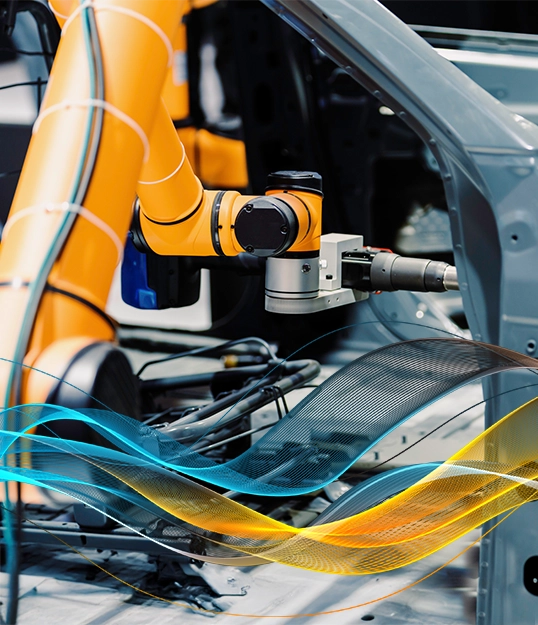
The automotive industry is navigating rapid model cycles, electrification, labor shortages, and stringent quality standards while managing global supply chain pressures.
Automotive manufacturers face rising labor shortages, reshoring mandates, and cost pressures, driving the need for smarter, flexible factory automation that boosts throughput, ensures compliance, and supports continuous innovation across increasingly complex production environments.
We solve
Industry challenges
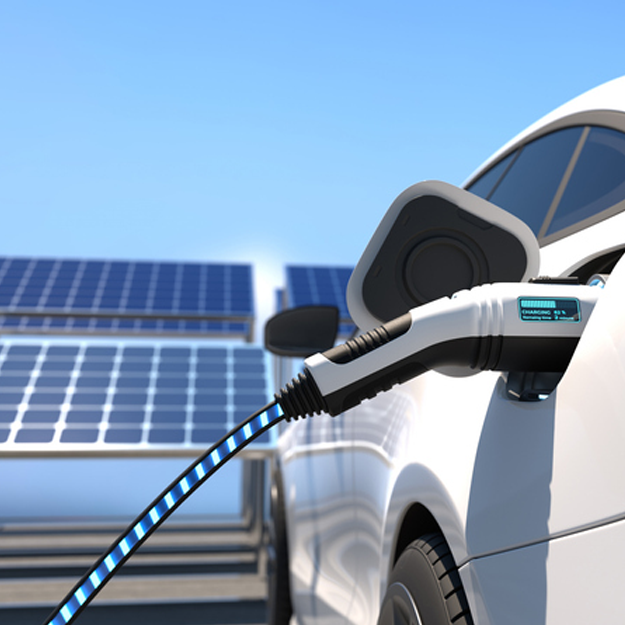
- Electrification and powertrain transition: Shifting from internal combustion to EVs demands new flexible manufacturing processes, supply networks, and production (capex) investments.
- Labor shortages and skills gaps: Aging workforces and shortages of skilled technicians’ slow production and increase training costs.
- Supply chain volatility: Material shortages, geopolitical disruptions, and fluctuating logistics costs make planning and forecasting difficult.
- Quality and regulatory compliance: Tighter safety, emissions, and sustainability regulations require more precise, data-driven production and traceability.
- Increasing production complexity: Shorter model cycles, customization options, and multi-powertrain lines add complexity and reduce efficiency without advanced automation.
- Digitization and data integration for AI: Automotive plants generate massive amounts of data, but much of it remains siloed across legacy machines and systems. Without end-to-end visibility, manufacturers can’t fully leverage AI, including Generative AI, for predictive maintenance, automated quality checks, production optimization, or rapid process simulation and design.
Our Expertise
What we build
Eclipse builds and integrates automation systems across key areas of automotive manufacturing:
Automotive electronics
Systems for producing advanced electronics such as infotainment systems, Advanced Driver Assistance Systems (ADAS), and vehicle control modules.
Electronics assembly
Automation for assembling and testing electronic components like sensors, circuit boards, and control units.
Powertrain assembly
Automation for assembling powertrain components like engines, transmissions, and drivetrains.
Battery and fuel assembly
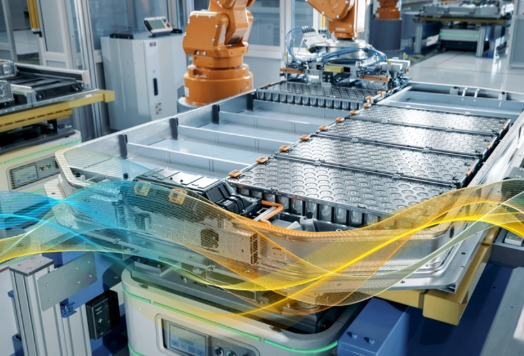
Automation for assembling battery cells, packs, and hydrogen fuel systems for electric and hydrogen-powered vehicles.
Line side automation
Automation solutions for material handling, part feeding, and assembly processes directly on the production line.
Interior assembly
Systems for assembling interior components like dashboards, panels, and seat adjusters.
Body welding systems
Automation for welding and assembling vehicle body structures with precision and durability.
Seating assembly
Systems for assembling seat frames, cushions, and mechanisms for automotive seating.
Watch the video
Precision automotive factory automation built to boost throughput, enhance quality, and power intelligent manufacturing. Watch the video
benefits
Performance at scale
Built for speed and uptime
Our systems are designed to maintain throughput and uptime, even in high-speed, high-volume environments – helping reduce delays caused by vendor gaps or integration issues.
Scalable for global platforms
Whether you’re launching a new model, retrofitting existing lines, or reshoring operations, our team has the expertise to scale with speed and consistency.
Engineered for measurable results
Our approach supports cross-facility standardization and predictive maintenance strategies – giving you consistency and visibility from pilot to full production.
CASE STUDY
EV production with pace and precision
Faced with a tight timeline, an electric vehicle manufacturer needed a reliable partner to stand up a battery pack assembly line for a next-gen platform. Eclipse helped coordinate tooling and vendor integration. We used Digital Twin validation to de-risk the build and delivered a working system with a 55-second cycle time, on schedule and at scale.
FAQs
Frequently asked questions
Why is automotive automation important in manufacturing?
Automation improves production speed, accuracy, and consistency across complex vehicle assembly processes. It reduces human error, supports high-volume production, ensures quality compliance, and enables manufacturers to scale operations efficiently for EVs, ICE vehicles, and hybrid models.
How does Eclipse Automation support high-speed automotive manufacturing?
Eclipse designs and integrates automation systems for ICE and EV platforms, including powertrain assembly, electronics, battery and fuel systems, and interior assembly. Our solutions ensure high throughput, precision, and uptime, helping OEMs and Tier 1 suppliers meet demanding cycle times and production targets while maintaining quality and repeatability.
What challenges do automotive manufacturers face without automation?
Without automation, manufacturers may encounter inconsistent quality, slower production cycles, higher labour costs, and difficulties scaling for new vehicle models or technologies. Automation helps overcome these challenges, enabling faster throughput, improved reliability, and standardized processes across multiple facilities.
What automotive processes can Eclipse Automation automate?
Eclipse provides automotive factory automation for electronics assembly, ADAS and infotainment systems, body welding, seating, line-side material handling, and battery/fuel assembly. By integrating these systems, manufacturers gain scalable, repeatable production lines capable of supporting new model launches, retrofits, and global operations.
Featured articles and insights
-
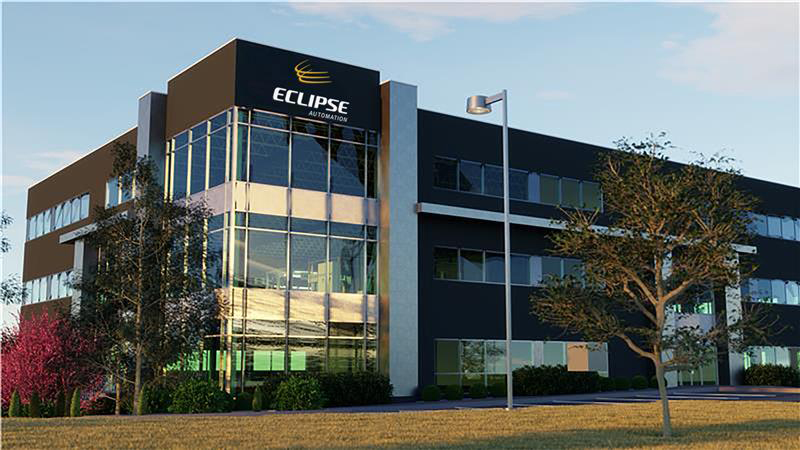
Eclipse Automation Marks 25 Years with Strategic Expansion, New Partnerships, and Bold Vision for the Future of Factory Automation
Cambridge, Ontario — March 12, 2026, Eclipse Automation, a global leader in factory automation, today announced…
-

Transportation Video
High performance automation solutions for the unique needs of automotive manufacturers
-
Celebrating 25 years of Eclipse Automation and where factory automation is going
In 2026, Eclipse Automation marks 25 years of precision, performance, and partnership.
