

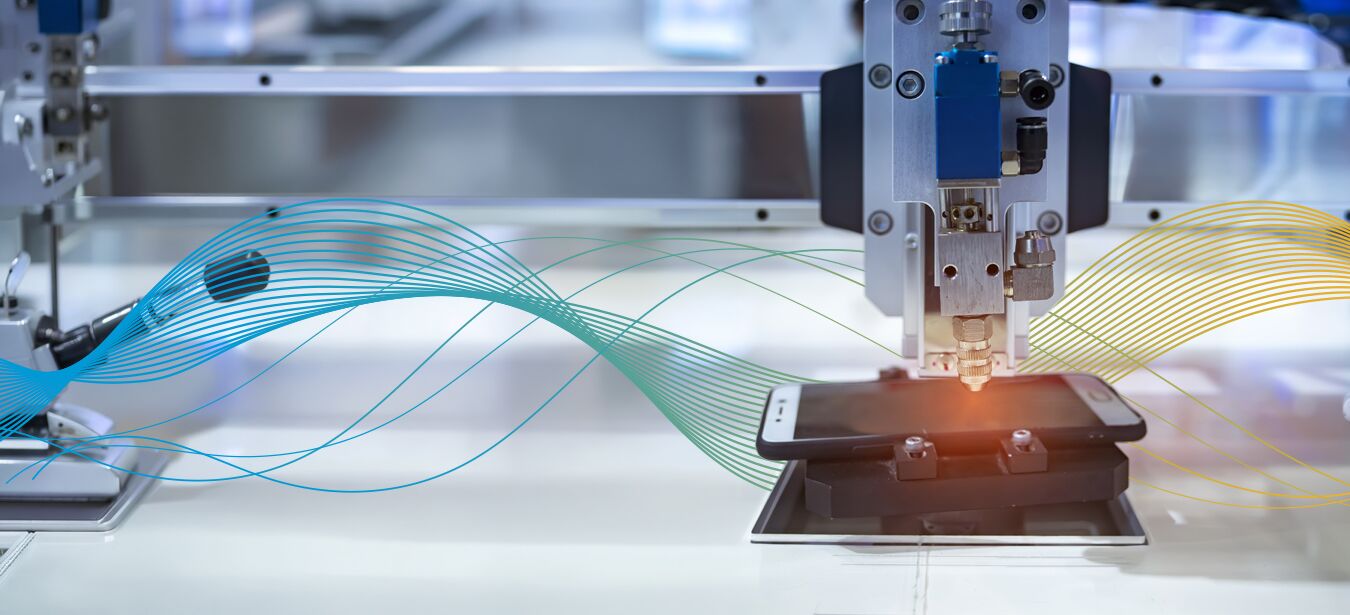


The best integrators for consumer electronics assembly own the whole line, from simulation and design to build, commissioning, and support. Three criteria separate a strong partner from a risky one: how well the line handles high mix production, how much of the system scope the integrator owns, and how deeply the automation connects to your PLC, MES, and SCADA layers. Turnkey automated assembly lines from a full lifecycle partner reduce handoffs, shorten ramp-up, and keep one team accountable for throughput, yield, and uptime. Equipment builders and cell integrators still fit narrow, single-process projects. For multi-product consumer electronics manufacturing with short product cycles, a partner with digital twins, machine vision, and industrial robotics in house is usually the lower-risk choice.
Why does integrator choice matter more in consumer electronics now?
Demand for automation keeps climbing. The International Federation of Robotics reports that factories installed more than 600,000 industrial robots in 2025, an 11% jump, and the global operational stock reached a record 5 million units. IFR forecasts 655,000 installations in 2026 and 806,000 by 2029. Consumer electronics adds pressure other sectors feel less: short product lifecycles, frequent variant changes, tight cosmetic tolerances, and small parts that need precise placement.
Budgets are moving the same way. In a Deloitte survey of 600 manufacturing executives, 80% plan to put 20% or more of their improvement budgets into smart manufacturing. With that much capital in play, the integrator you pick sets your changeover speed, yield, and cost of ownership for the next decade.
Key takeaways
- Shortlist integrators on three criteria: high mix flexibility, system scope, and integration depth.
- Full lifecycle turnkey partners reduce vendor handoffs and keep one team accountable for throughput, yield, and uptime.
- High mix electronics lines need recipe-driven changeovers, modular stations, and vision systems that adapt to each new variant.
- Integration depth into PLC, MES, SCADA, and Industrial IoT decides how fast you get usable production and traceability data.
- Digital twins validate line performance before build, which lowers commissioning risk and speeds ramp-up.
How do the main types of integrators compare?
What do equipment builders offer?
Equipment builders supply standard electronics manufacturing equipment such as dispensers, screwdriving stations, and test fixtures. They work well for a single process step. Your team owns the line layout, controls integration, and handoffs between vendors, which adds schedule risk on multi-station lines.
What do robotic cell integrators offer?
Cell integrators package industrial robotics, end effectors, and safety systems into a working cell. They suit pick-and-place, kitting, and packaging. Scope usually stops at the cell boundary, so line balancing, upstream feeding, and MES connectivity stay with you.
What does a full lifecycle turnkey partner offer?
A turnkey partner engineers, builds, installs, and supports the complete line. One team owns simulation, controls, machine vision, robotics, commissioning, and post-launch performance. That single point of accountability matters most when a line must run several product families and change over in minutes.
Which decision criteria should drive your shortlist?
How well does the line handle high mix production?
Ask how the integrator introduces a new SKU. Strong answers include recipe-driven changeovers managed in the PLC, quick-change tooling, modular stations you can redeploy, and vision systems that verify part presence and orientation for every variant. Request changeover targets in minutes and evidence from comparable automated production lines.
How much of the system scope does the integrator own?
Map every activity from concept to sustainment: process development, simulation, mechanical and controls design, fabrication, factory acceptance testing, installation, and support. Each gap becomes a handoff your team has to manage. Integrators with in-house manufacturing and vertical integration control quality and lead time more tightly.
How deep does assembly line integration go into your operational technology?
Electronics assembly generates traceability data at every station. Confirm the integrator can connect PLC and SCADA layers to your MES, stream Industrial IoT data for predictive maintenance, and meet your IT and cybersecurity standards. Ask whether designs are validated in digital twins. The Capgemini Research Institute found organizations working with digital twins saw a 15% average improvement in key operational metrics and gains upward of 25% in system performance.
This data foundation also prepares the line for Physical AI and Industrial AI, such as AI-based inspection and closed-loop process tuning. The World Economic Forum’s Global Lighthouse Network, now 238 sites, shows how leading manufacturers embed AI and automation into one connected operating model.
How does Eclipse Automation deliver turnkey automated assembly lines?
Eclipse Automation supports the full factory automation lifecycle, from advanced engineering services and simulation through build, installation, and post-automation support. With 400 engineers, 12 locations, and one million square feet of manufacturing space, our teams build electronics automation systems that combine industrial robotics, machine vision, and controls under one roof. The Aurora Platform™ Series gives high mix lines a modular base that shortens deployment. Eclipse RealitySync™ lets engineering, operations, and finance stakeholders review the line in an immersive view built from the same digital twin data, before it ships.
FAQs
Frequently asked questions
What is a turnkey automated assembly line?
A turnkey automated assembly line is a complete production system that one partner designs, builds, installs, and commissions, ready to run at your site. It includes stations, robotics, vision, controls, and software integration. Learn how Eclipse manages each stage across the factory automation lifecycle.
How long does it take to deliver a turnkey line for consumer electronics?
Timelines depend on station count, process maturity, and validation requirements. Simulation and digital twins shorten the schedule by catching layout and cycle time issues before build. See how to prevent automated assembly line commissioning delays and explore the Eclipse digital twin experience.
How do vision systems improve electronics assembly quality?
Vision systems guide robots to small components, verify part presence and orientation, and inspect cosmetic and dimensional features at line speed. They also log images for traceability. Explore the Eclipse vision experience.
Can automated production lines handle frequent product changeovers?
Yes, when they are designed for it. Recipe-driven PLC logic, quick-change tooling, and modular stations let one line run several product families. The Aurora Platform™ Series and Eclipse contract manufacturing automation are built for high mix production.
What support should I expect after commissioning?
Expect performance monitoring, spare parts planning, predictive maintenance, and continuous improvement tied to OEE and uptime targets. Review Eclipse automation service and support packages.
Explore the possibilities
Planning a turnkey line for your next consumer electronics product? Book a discovery call to learn how Eclipse Automation supports turnkey automated assembly lines for high mix consumer electronics manufacturing.
Related articles and insights
-

What are turnkey automation systems for regulated manufacturing?
Turnkey automation systems give regulated manufacturers one accountable partner for design, build, integration, commissioning, and ramp-up.… Read More
-
Medical automation compliance guide for 2026
FDA’s QMSR took effect in February 2026, and risk-based software assurance changed how manufacturers validate production… Read More
