

Tracey Thomas, Content Communications Specialist
Automation can seem like a long-term strategy; something companies can adopt when technology becomes more mature, more affordable, or more necessary. But that mindset can quickly become a liability.
In the latest episode of People B4 Machines, Jake Hall, known as the Manufacturing Millennial, brings those same themes to life in his conversation with host Amanda Cupido. He talks about all the possibilities automation offers and the value can provide to companies who are so bold to explore it.
In this article
- The truth about automation’s impact on jobs and workforce growth
- How technology affects employee morale
- How automation improves retention by modernizing the work environment
- Three leadership strategies to attract and retain younger talent
- Why the future of manufacturing depends on human-machine partnerships
Listen to the full conversation
Hear the full episode, Silicon soulmates: Why machines may be your most loyal teammates, and explore more conversations on the human side of factory automation at peopleb4machines.com.
Automation redefines opportunity
Historically, every major automation shift — from tractors to ATMs — sparked fears of widespread job loss. It’s one of the most persistent myths in manufacturing: automation reduces the need for people.
In reality, automation changes the nature of work rather than eliminating it. Instead, those major automation shifts unlocked entirely new industries, roles, and opportunities.
“Automation’s creating new technologies” Hall says. “Companies are trying to be more competitive, and they need the skill sets to do that.”
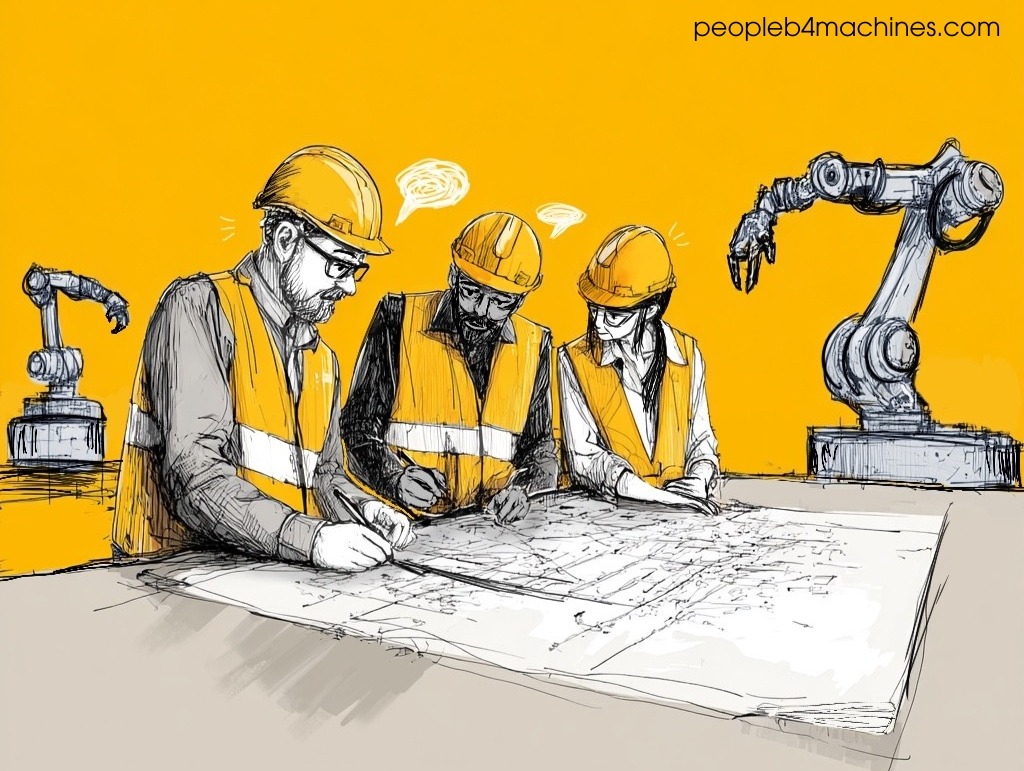
Many manufacturing roles remain unfilled because they involve physically demanding or undesirable tasks. Automation excels in these environments, taking on the repetitive workload while creating new roles in programming, maintenance, systems integration, and data analysis.
The result is different jobs that are often safer, more engaging, and higher-skilled.
How technology retains talent
The most urgent workforce problem in manufacturing is keeping talent.
“The issue is not getting younger generations to come to work for you,” Hall explains. “The issue is getting them to stay.”
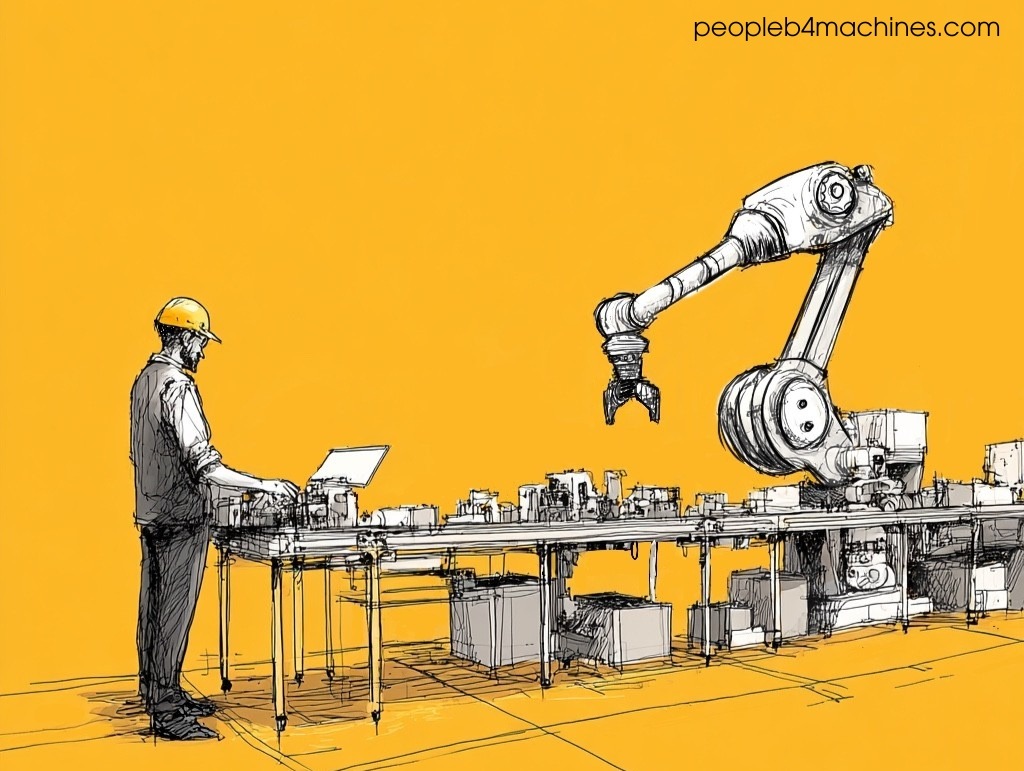
When employees enter facilities filled with outdated systems and manual processes, it creates a disconnect. Workers who grew up using digital tools expect efficiency, visibility, and modern infrastructure. Without it, engagement suffers.
Hall points to a critical missed opportunity: companies often fail to leverage technology to empower employees. Instead of enabling workers to analyze and act on data, outdated processes force them into repetitive administrative tasks.
Automation helps reverse that dynamic. It removes friction, enables smarter work, and creates environments where employees can grow instead of stagnating.
The real challenge: Retention
Hall identifies three key retention strategies:
- Implementing four-day work weeks (already adopted by growing numbers of manufacturers)
- Providing meaningful roles where employees make real impact
- Offering clear growth opportunities through training and certification programs.
Flexibility is no longer a perk; it’s a retention strategy. But employees also need purpose and growth.
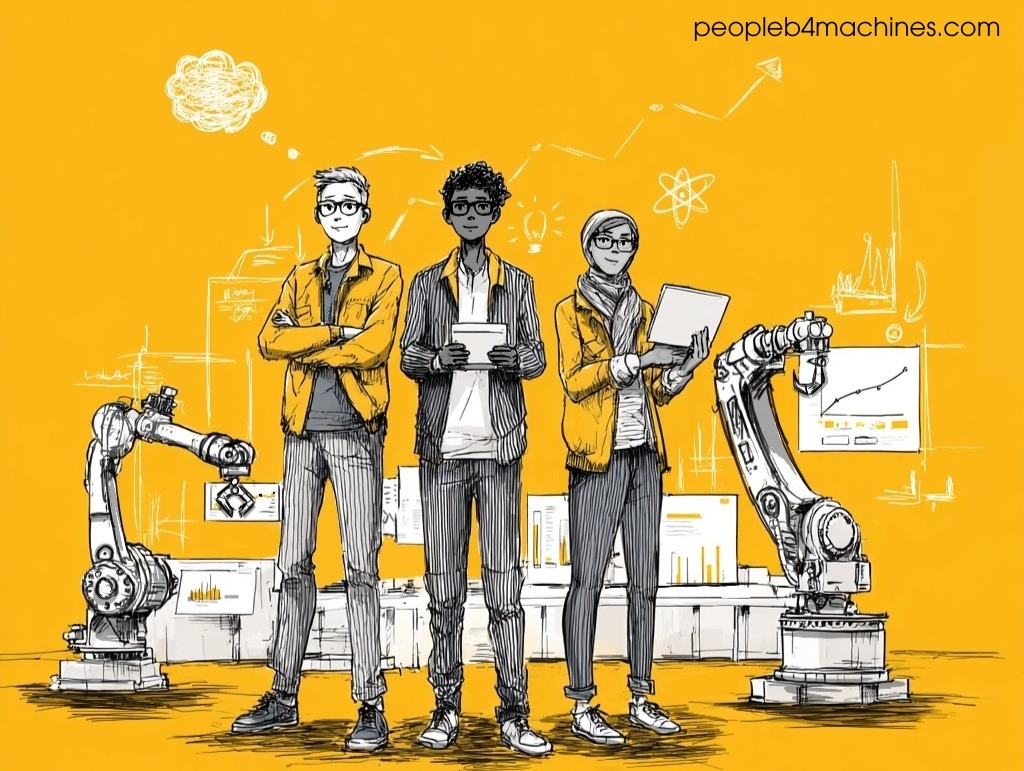
“Younger generations want to have just as much of an impact as they do opportunity,” Hall notes. “If they feel that they’re just simply there to do a task and not be involved with a team, that’s a big turn off.”
Automation helps enable this shift by removing repetitive burdens and opening pathways for skill development, training, and advancement.
Rethinking recruitment
“When I think of automation ready, I think it’s less about the technology and more about the leadership,” Hall says.
Automation needs leadership readiness. Leaders must guide adoption thoughtfully and strategically, starting with achievable projects that build trust and experience. Otherwise, even the best technology fails without clear communication, cultural alignment, and internal champions.
Early success creates momentum, confidence, and organizational readiness for deeper transformation.
The companies that learn first will lead
Machines bring consistency and endurance. Humans bring creativity, judgment, and adaptability. The organizations that combine both effectively will define the next era of manufacturing.
Hall offers a clear warning to companies who are still waiting: “Your competitors are going to be deploying this technology… and they’re going to always be 12 to 24 months ahead of you.”
The longer organizations delay, the harder and more expensive it becomes to catch up.
The bottom line: Automation creates opportunities for humans to do more fulfilling, skilled work while handling the “dark, dirty, dangerous, and dull” tasks. Companies that embrace this shift, and the cultural changes it requires, will win the talent war.

Still waiting to adopt automation? The companies investing today are building the workforce and culture that will lead tomorrow. Discover how Eclipse Automation helps deploy technology that drives long-term retention and growth.