

Tracey Thomas, Content Communications Specialist
What does automation look like inside a modern factory? It looks less like replacement and more like redesign of tasks, workflows, and roles.
In this episode of People B4 Machines, Ujjwal Kumar, former President of Teradyne Robotics, joins host Amanda Cupido to discuss how manufacturers are using robotics to redesign work, with a focus on productivity, safety, and automation strategies built around people.
In this article
- Why automation works best when people and machines work together
- Where ROI from robotics shows up faster than expected
- How automation improves safety and job quality
- Why adoption depends on leadership framing
Listen to the full conversation
Hear the full episode, Man vs. machine? The ROI of robotics & the cultural shift needed to embrace robotics on the factory floor, and explore more conversations on the human side of factory automation at peopleb4machines.com.
People and machines work better together
The idea of humans competing with machines is not how automation actually plays out.
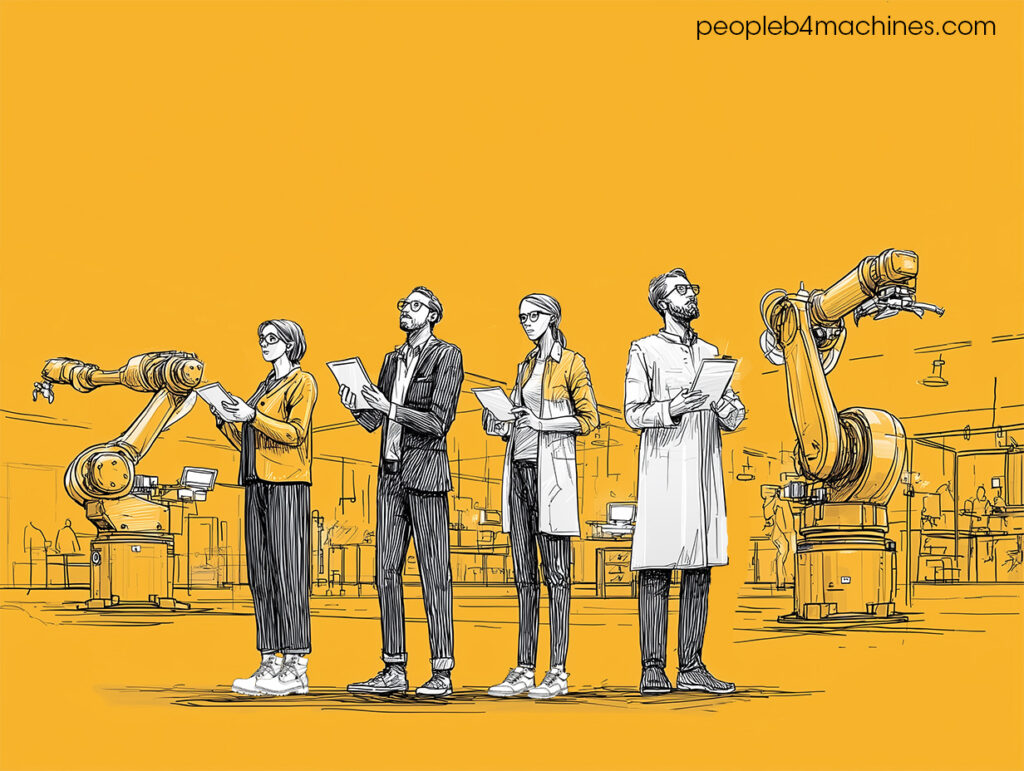
On the factory floor, robots handle tasks that are repetitive, heavy, or ergonomically challenging. People focus on judgment, problem-solving, and supervision.
“The narrative that robots replace humans is outdated and inaccurate,” Kumar said. “Robots are designed to augment human capabilities, not replace them.”
When automation is introduced with a clear understanding of how work gets done, productivity improves without sacrificing quality or morale. Teams gain capacity rather than lose roles, and workflows become more balanced.
ROI arrives sooner than we expect
One reason automation decisions stall is the assumption that returns take years to materialize.
“In some cases, customers see a three-month return on investment,” he explained. “Typically, I’ve seen payback in less than 12 months.”
Gains come from higher throughput, fewer errors, and reduced downtime. In some cases, a single robot can take on tasks equivalent to multiple manual stations, creating immediate capacity.
Kumar also connected faster ROI to the realities manufacturers are already facing. Labor shortages, injuries, and physically demanding roles create pressure on production today. When robotics takes on that work, the impact shows up quickly in both performance and cost.

Safety and job quality go hand in hand
Automation conversations often start with productivity. Safety improvements follow closely behind.
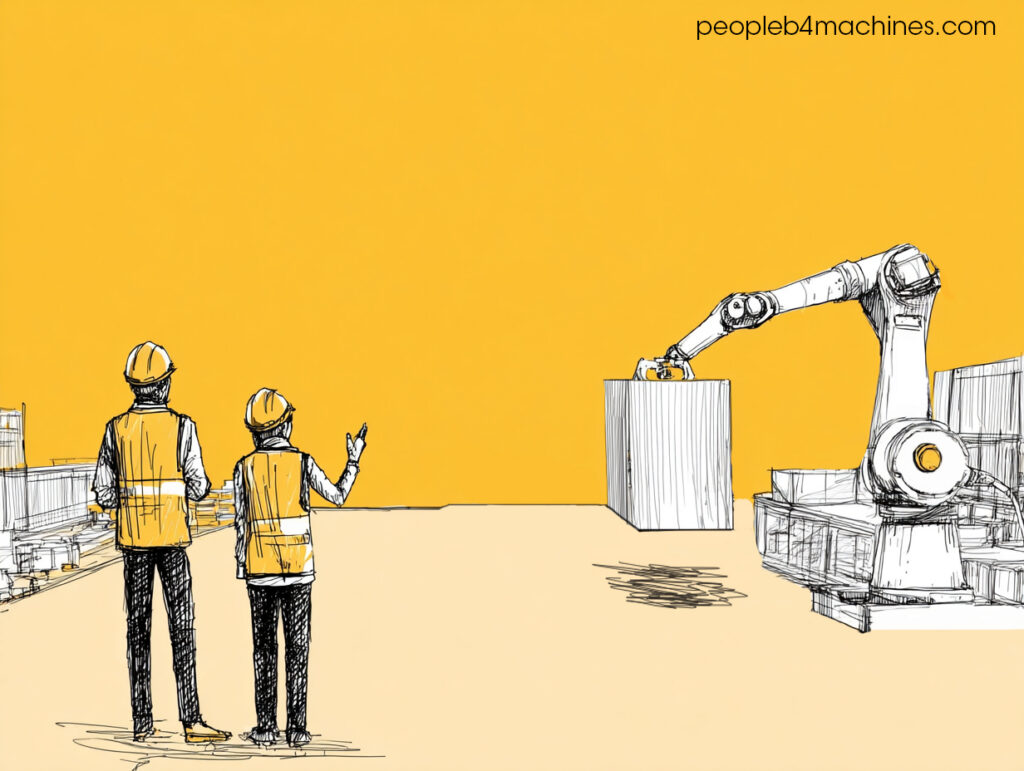
Robots are well suited for lifting heavy loads, handling sharp materials, or performing repetitive motions. Removing those tasks from daily routines reduces injuries and fatigue.
“Cobots take on hazardous, repetitive, and physically demanding tasks, allowing humans to focus on management and decision-making work,” Kumar shared.
As roles shift toward oversight and coordination, work becomes safer and more engaging. That change supports retention and long-term workforce stability.
How leaders introduce automation
Kumar emphasized the role leadership plays in how automation is received.
“You have to bring workers on board,” he said. That means changing the workplace and how people experience manufacturing.
Leaders need to explain why automation is being introduced, how roles will change, and where new opportunities exist. When intent is clear, teams are more likely to engage and contribute.
Leading through change
Manufacturers face a design challenge: Defining how work should be shared when people and machines operate together.
This episode of People B4 Machines highlights how automation delivers value when it improves productivity, safety, and job quality at the same time. When leaders frame automation as a partnership and invest with intent, everyone wins.

Want to improve productivity and safety on the factory floor? Automation delivers more value when it’s designed around people and real workflows. Explore how Eclipse Automation can help.