

Tracey Thomas, Content Communications Specialist
A factory can never go fully digital. Manufacturing still depends on physical work. Materials are processed, parts are assembled, and products take shape on the factory floor.
What can change, however, is how that work happens. More systems, products, and data now sit between planning and execution. Coordination across those moving parts is key to how factories perform.
In this episode of People B4 Machines, Prasad Satyavolu, Americas Lead for Industry X Digital Manufacturing & Operations at Accenture, joins host Amanda Cupido to unpack how software is changing the way factories operate, and what that means for the people inside them.
In this article
- Why the physical factory remains central to manufacturing
- How data becomes a useful for decision-making
- Why digital twins are now viable for legacy facilities
- What cultural changes support adoption at scale
- How manufacturers can frame technology investment decisions
- A link to listen to the full episode with Prasad Satyavolu
Listen to the full conversation
Hear the full episode, Rethinking the course to manufacturing’s future with the Software Defined Factory as the North Star, and explore more conversations on the human side of factory automation at peopleb4machines.com.
The physical factory isn’t going anywhere
Manufacturing transforms materials into products people use every day. That value creation depends on physical spaces, equipment, and skilled workers.
On the factory floor, multiple products, processes, and schedules are running at the same time. Keeping work flowing requires careful attention to how everything interacts.
“Data is a raw material that will help products evolve or create better experiences,” Prasad said.
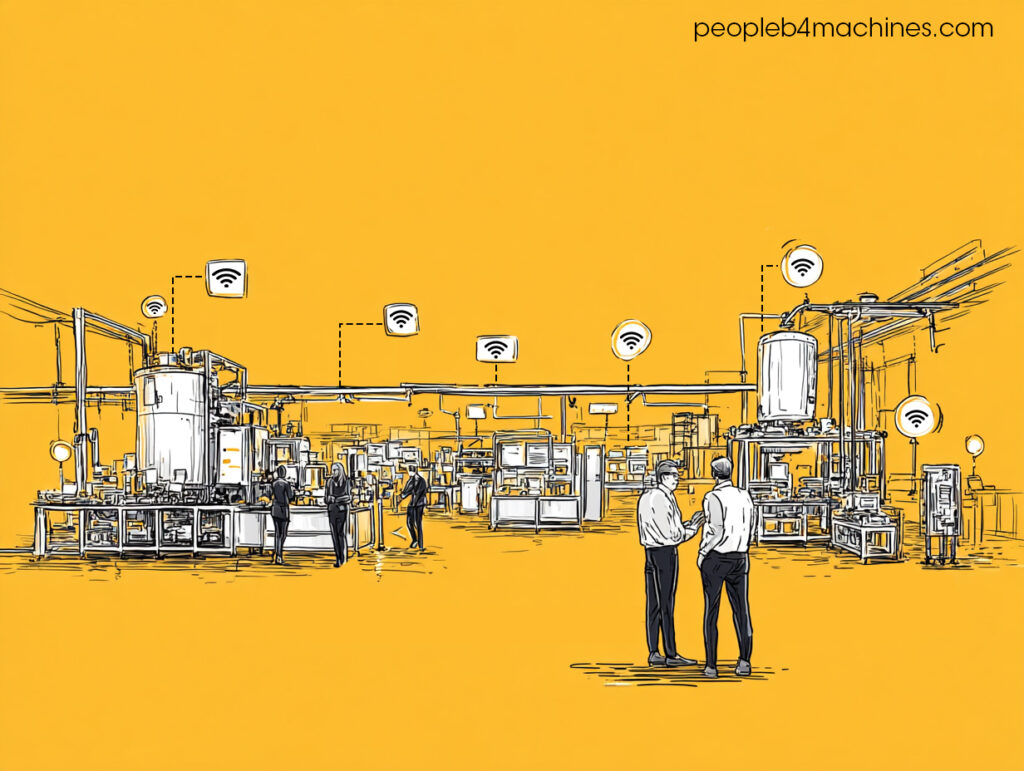
Factories generate data at every step. Parts arrive. Materials move. Products pass through stamping, welding, painting, and final assembly. Each movement produces information.
The challenge is coordinating that work across machines, systems, and teams.
“How do you make robots, conveyors, and material handling systems work in unison as an orchestra?” Prasad asked.
As product counts increase, planning becomes harder. Software helps teams coordinate work, and connected systems make data useful.
Digital twins for legacy plants
Digital twins can feel out of reach for older facilities. Creating accurate models required detailed drawings and large engineering efforts.
“The biggest challenge was needing 2D or 3D drawings of everything already in the plant,” Prasad explained.
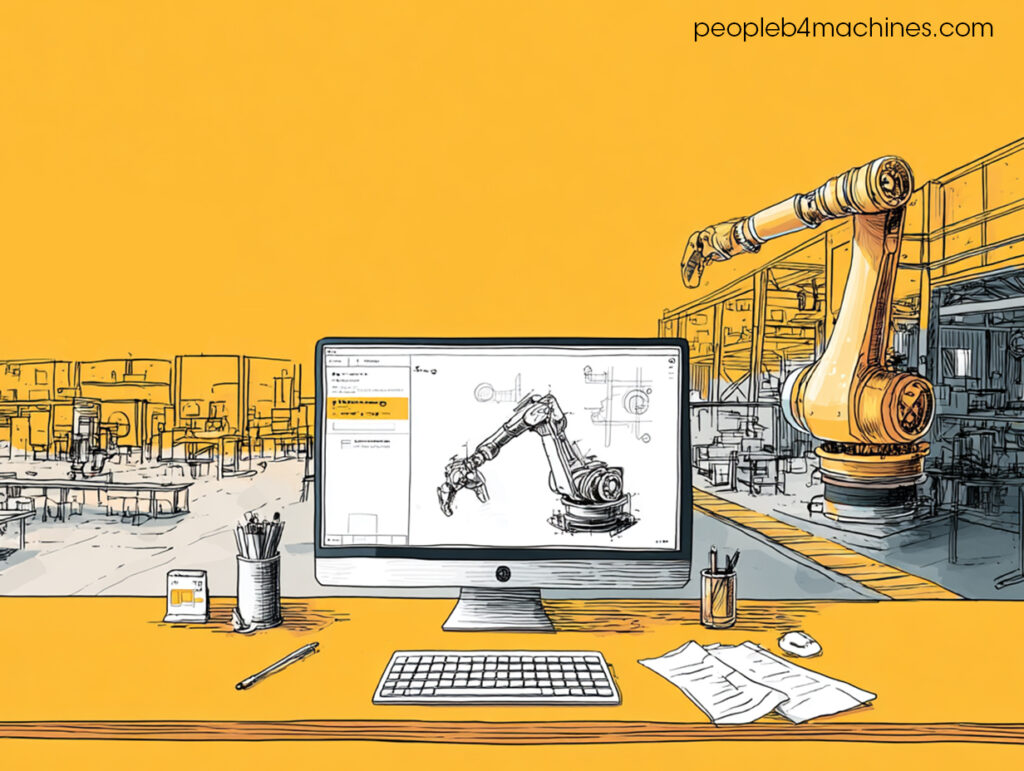
Technology lowers that barrier. Techniques like Gaussian splatting allow teams to create usable digital twins using video capture.
“For a half-million square-foot facility, it’s a half-day exercise,” he said. “You can walk the plant or fly a drone and record video.”
Digital twins support planning and simulation. Teams can test layout changes, identify bottlenecks, and coordinate work without disrupting production. Accuracy improves over time as systems ingest live data.
Culture determines adoption
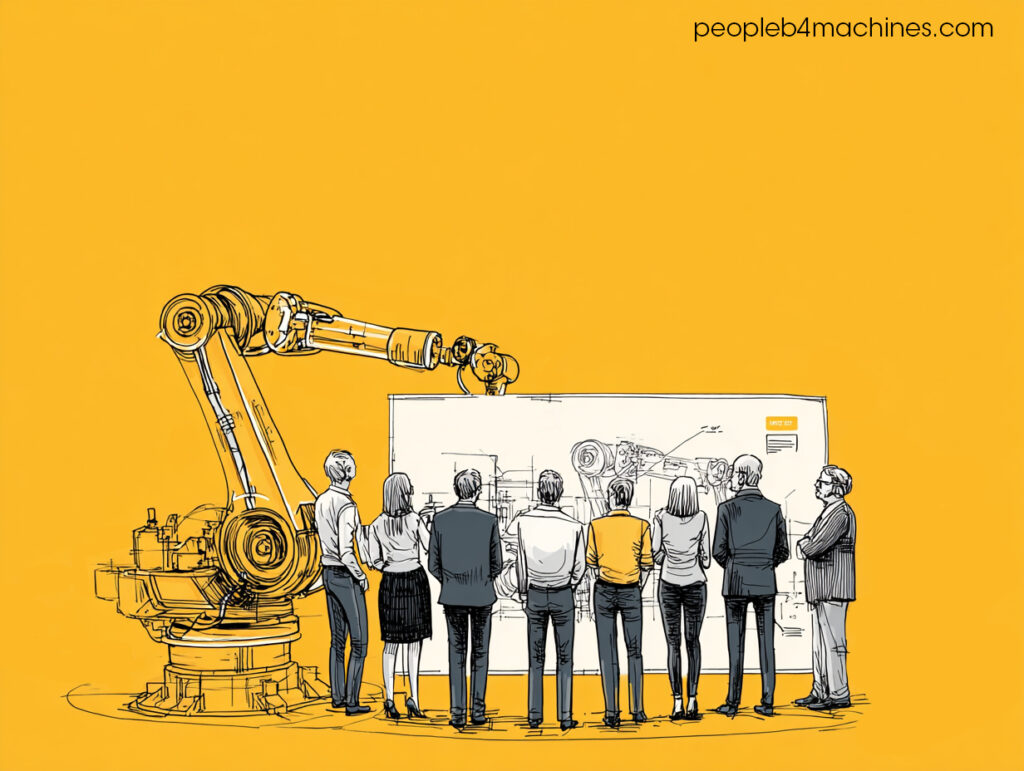
Technology succeeds when people trust and use it. Prasad sees culture as the deciding factor. “People and culture are an essential part of the transformation,” he noted.
He outlined three conditions that support adoption:
- Teams need to understand human augmentation, so they see how systems support their work and reduce manual effort.
- People need to be involved in design. Making them part of the design process is critical because involvement builds understanding and confidence.
- Teams need ways to share their results, so they can encourage others and help adoption spread across the plant.
This approach helps factories scale solutions beyond pilot cells and build momentum across shifts and departments.
Choosing where to invest in technology
Investment decisions often stall between risk and urgency. Prasad encourages manufacturers to start with a clear value case. “You need to understand what problem you’re trying to solve,” he said.
He uses a simple analogy:
- Aspirin addresses current pain.
- Vitamins support future growth.
Factories must solve immediate issues, such as downtime or quality variation. They also need to prepare for changes in product mix, volume, and customer demand.
“There’s no right or wrong answer,” Prasad emphasized. “It depends on value, growth, and having a roadmap.”
That roadmap should allow teams to build incrementally and reuse infrastructure over time.
Designing factories for the future
When asked what he would ask his future self, Prasad focused on people.
“How am I balancing the role of human beings alongside intelligent objects?”
“How am I maintaining motivation in that environment?”
The Software Defined Factory reflects that balance. It gives manufacturers a way to coordinate systems while keeping people involved, informed, and accountable.

Planning your next phase of factory operations? Coordination starts with clear roles and connected systems. Explore how Eclipse Automation can help.